How to Choose a 7-Seater SUV? I've Tested These Four Models for You
If you're considering a 6-seater or 7-seater, you likely have a larger family and enjoy weekend getaways. An extra seat often means more flexibility for your trips. Today, most large six- or seven-seaters on the market are from Chinese brands and are powered by new energy technologies.
Sure, I also noticed many friends are interested in joint-venture brands. So, over the past few weeks, I've focused on experiencing their models—this is likely my most intensive test drive and ride session with joint-venture vehicles to date.
I've selected 4 vehicles. Let me introduce them one by one:
NO.4 Nissan Pathfinder
After test-driving the Nissan Terra, my only impression is that the space is more than adequate and the seats are genuinely comfortable. With a length of over 5 meters and a wheelbase of 2 meters 9, three adults can sit comfortably side-by-side in the second row, with two fist-widths of knee clearance for the middle passenger. Plus, the seats slide forward up to 23 centimeters and offer adjustable recline angles—a level of flexibility rarely seen in this class. I fit comfortably in the third row at 175; while the cushion is thin and slightly firm, it's perfectly fine for trips lasting up to two hours. Even with all three rows upright, the trunk still fits a 28-inch suitcase. Fold down the second and third rows for nearly two meters of cargo depth—moving furniture is no problem at all.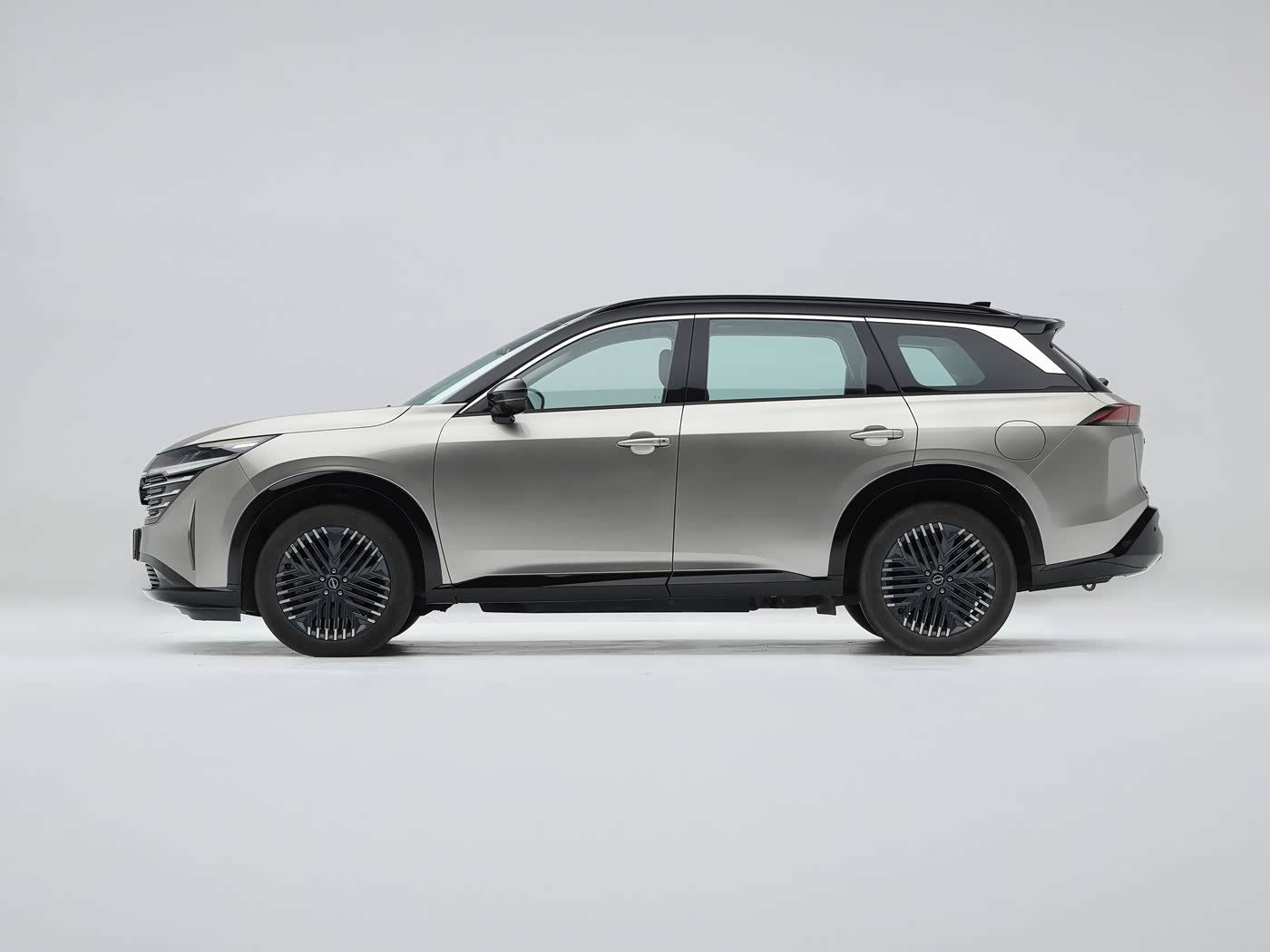
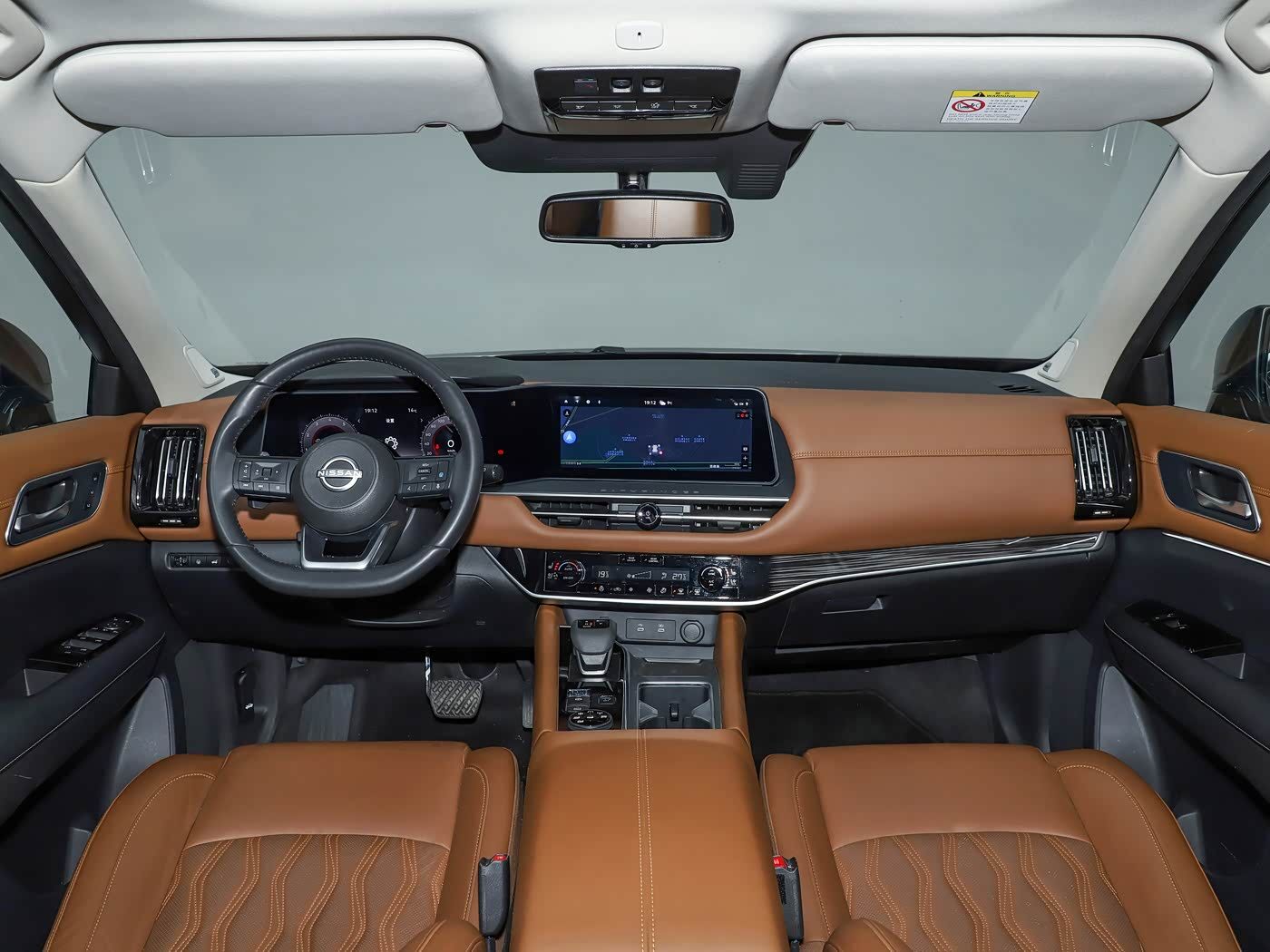
For the Nissan Terra, I recommend the six-seater version. It features two individual captain's chairs in the second row for enhanced comfort, and offers more versatile third-row folding configurations to provide greater space flexibility during trips.
Of course, the Nissan Pathfinders also has an advantage in power.
Powertrain: 2.0T VC-Turbo variable compression ratio engine paired with a ZF 9-speed automatic transmission, delivering 252 hp and 376 lb-ft of torque. It sprints from 0 to 0-60 km/h in under 5 seconds—quicker than many EVs at the green light. At highway speeds of 120 km/h, engine RPM stays low at just 1800, achieving fuel economy around 9L/100km, beating most 2.0L naturally aspirated engines. The AWD version features a multi-plate clutch that engages in 0.15 seconds; it passes single-wheel off-road recovery tests 80% of the time, making weekend off-roading trips completely worry-free.
Safety features include standard 9 airbags, with comprehensive side protection from the A-pillar to the D-pillar via 10L three-row side curtain airbags.
Shortcomings:
It's hard to know where to start, but first, let's talk about the interior and features. After getting used to the fridges, TVs, and plush seats in domestic brands, the Nissan Terra feels a bit lacking in luxury, attention to detail, and feature richness. The third-row seats are somewhat thin and firm, compromising comfort. While the 4WD model supports L2-level intelligent driver assistance, its overall performance still lags behind that of domestic brands. Finally, as a pure gasoline vehicle requiring 95 octane fuel, ownership costs will be higher.
NO. 3 Toyota Highlander
Before domestic new energy large six-seater and seven-seater SUVs emerged, the Highlander was definitely a top-three choice for 7-seater SUVs. Even though its popularity has waned compared to its peak, it still maintains monthly sales of over 6000 units, proving it's a true contender.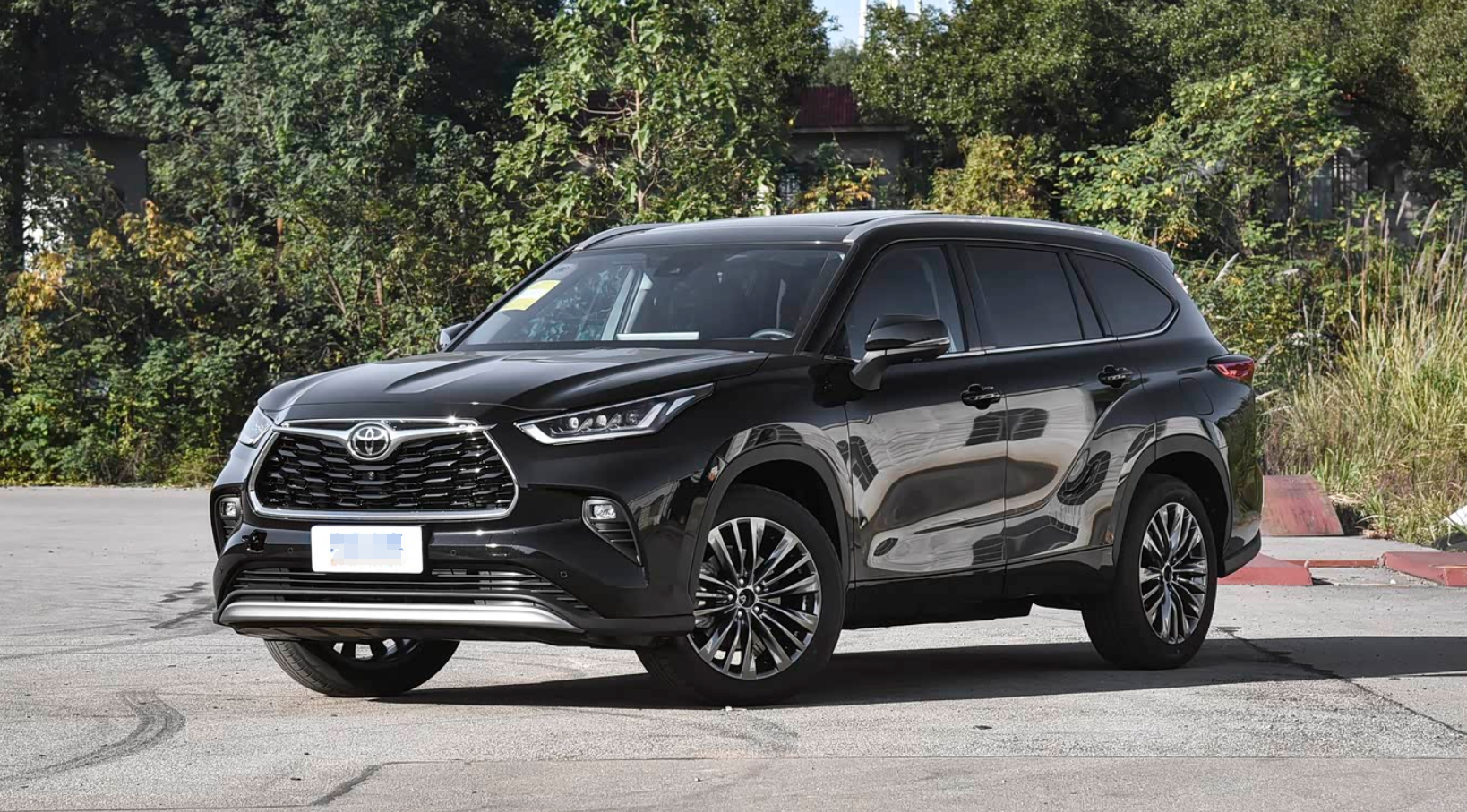
The 2026 Highlander is equipped with the 2.5L Intelligent Electric Hybrid Dual-Engine System, delivering a combined motor output of 237 horsepower and an WLTC fuel consumption of approximately 6L. That's right—this two-ton-plus vehicle uses just over 6 liters per 100km and runs on regular 92 octane gasoline! This is thanks to the fourth-generation Dual-Engine Hybrid system, which pairs a 2.5L Atkinson-cycle engine with a permanent magnet synchronous motor. For city commuting or highway driving, fuel economy reaches around 7 liters per 100km, and a full tank can take you nearly 1,000 kilometers.
As a 7-seater, the Highlander offers ample space. With the first and second rows adjusted for comfort, there's still enough room for a 175 person to sit comfortably in the third row. It's even more spacious for children.
Shortcomings:
The most noticeable shortcoming of the Highlander is its overly plastic interior. The dashboard, seats, door handles, and armrests all feel less premium to the touch. Additionally, some owners report that the paint is thin, making it prone to visible scratches from minor contact. During hard acceleration, the engine noise is quite loud, and wind and road noise are also prominent at highway speeds.
NO.2 Ford Explorer
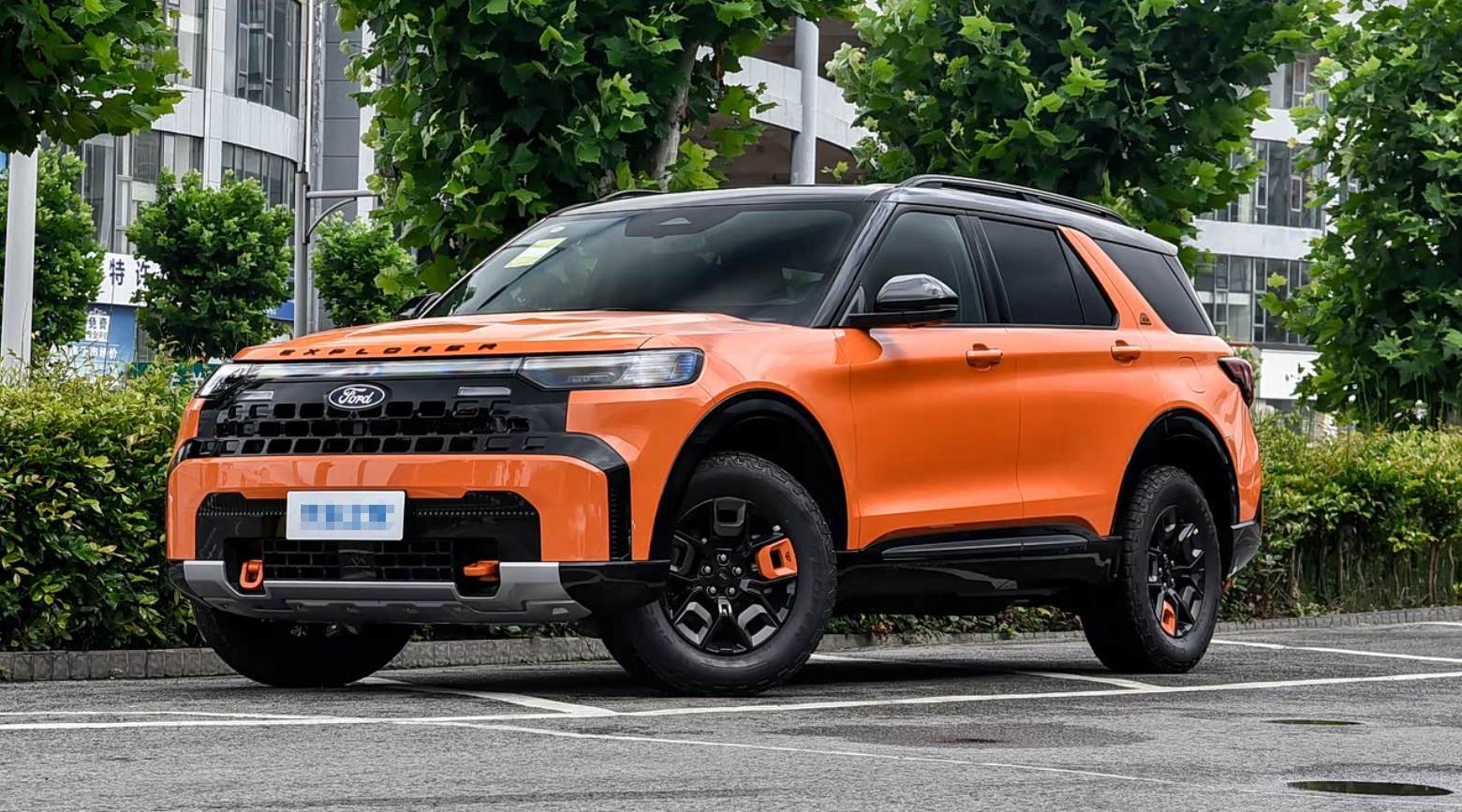
The Explorer is the kind of vehicle men fall for at first sight. Anyone who knows cars will immediately recognize its solid foundation: a longitudinal rear-wheel-drive platform that's unmatched in its price segment. 2.3T paired with a 10AT transmission delivers a Wards 10 Best Engines and Powertrains-winning powertrain, producing 289 horsepower and 445 lb-ft of torque, accelerating from 0 to 60 mph in just 7 seconds 6. For a two-ton-plus SUV, this performance is more than sufficient. And the best part? It doesn't require premium fuel—regular 92 octane gasoline works perfectly.
Off-road capability is core to its DNA. Standard equipment includes a Torsen Type B purely mechanical rear limited-slip differential, which transfers power from a slipping wheel to the one with traction. It also features the Terrain Management System (TMS), automatically adjusting power delivery, transmission shift logic, 4WD torque distribution, and ESP intervention. With added front and rear towing packages and all-terrain tires, this vehicle is built for true driving enthusiasts.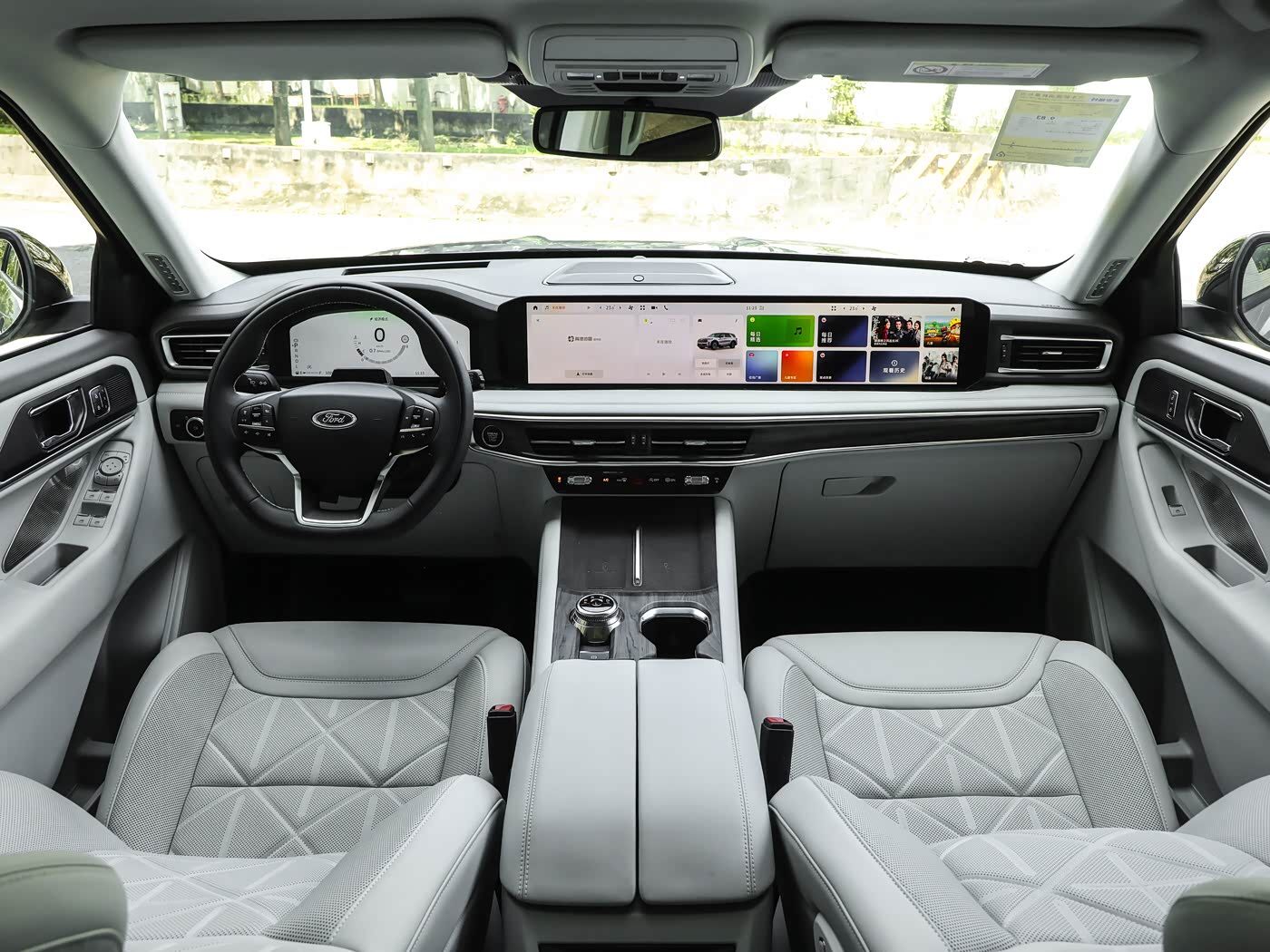
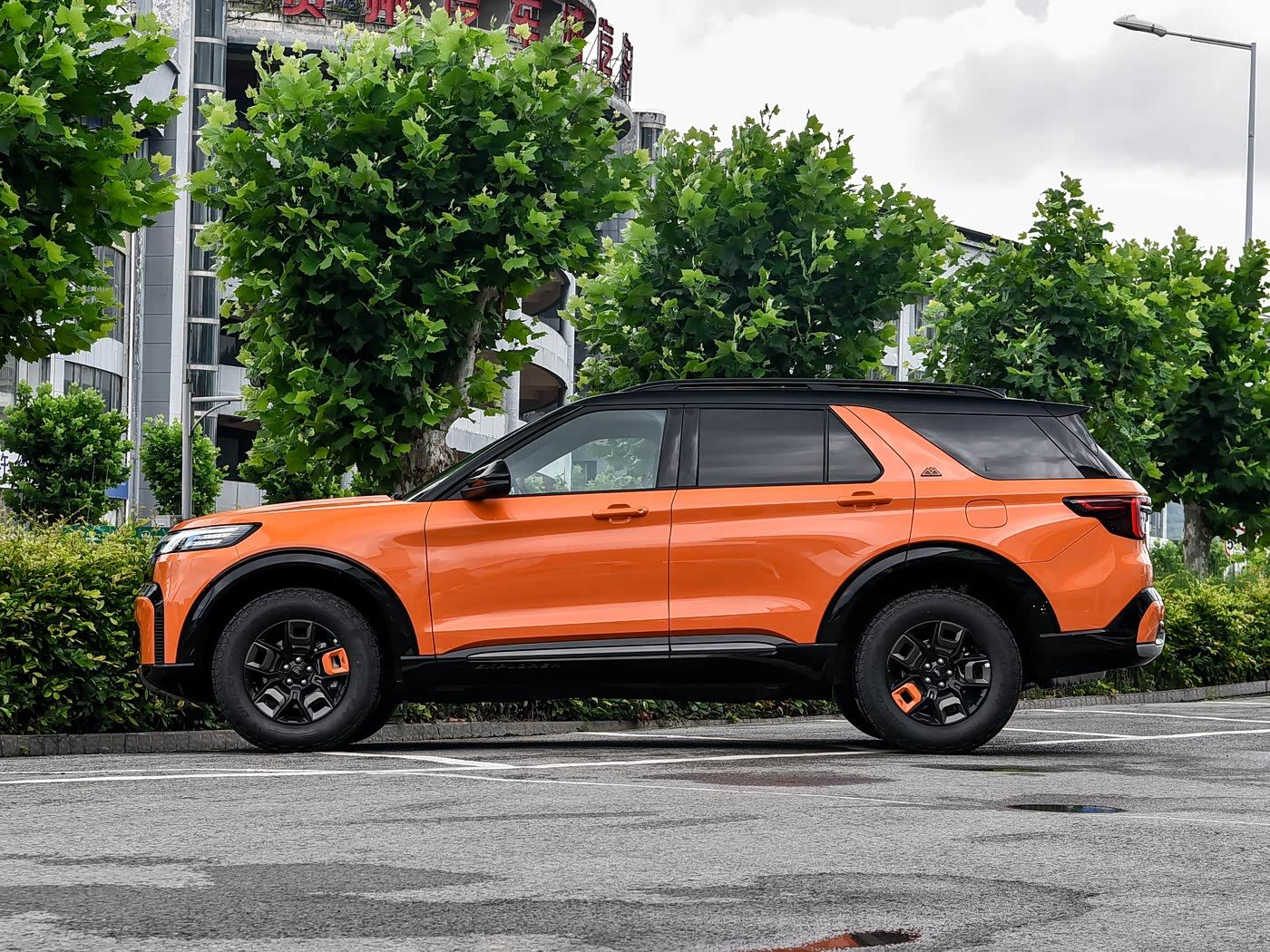
Beyond off-road capability and performance, I particularly love the 6-seat configuration of the Ford Explorer. The two captain's chairs in the second row create a center aisle, making it much easier for seniors and children to access the third row. In real-world testing, the third row comfortably accommodates adults on short to medium trips, though it can get uncomfortable on long journeys.
Shortcomings:
Of course, the Explorer has a few downsides. First, fuel consumption can reach 13-15 mpg in stop-and-go city traffic, averaging around 11 mpg overall—something to consider if you're sensitive to fuel costs. Noise insulation is average; highway wind and road noise are noticeable, making it less quiet than some competitors. The infotainment system occasionally glitches, with frequent CarPlay disconnections. While interior materials are solid, the overall luxury feel is modest, and attention to detail could be improved.
NO. 1 Modern Paris帝
Many may not be familiar with this model, and you're unlikely to see it on the road often. Still, it left a strong impression: large yet refined, with a distinctive design.
Let's start with the interior space. With a length of 5 meters and a wheelbase of 2.97 meters, this vehicle offers a solid foundation for its three-row seating. The second row features spacious, comfortable independent seats with heating and ventilation. The third-row seats also include heating, along with thick cushions and backrests that provide excellent comfort for adults. Large side windows ensure great visibility and natural light, preventing any feeling of claustrophobia even on long journeys. When the third-row seats are folded flat, the cargo area becomes quite expansive—plenty of room for two children to lie down and sleep comfortably.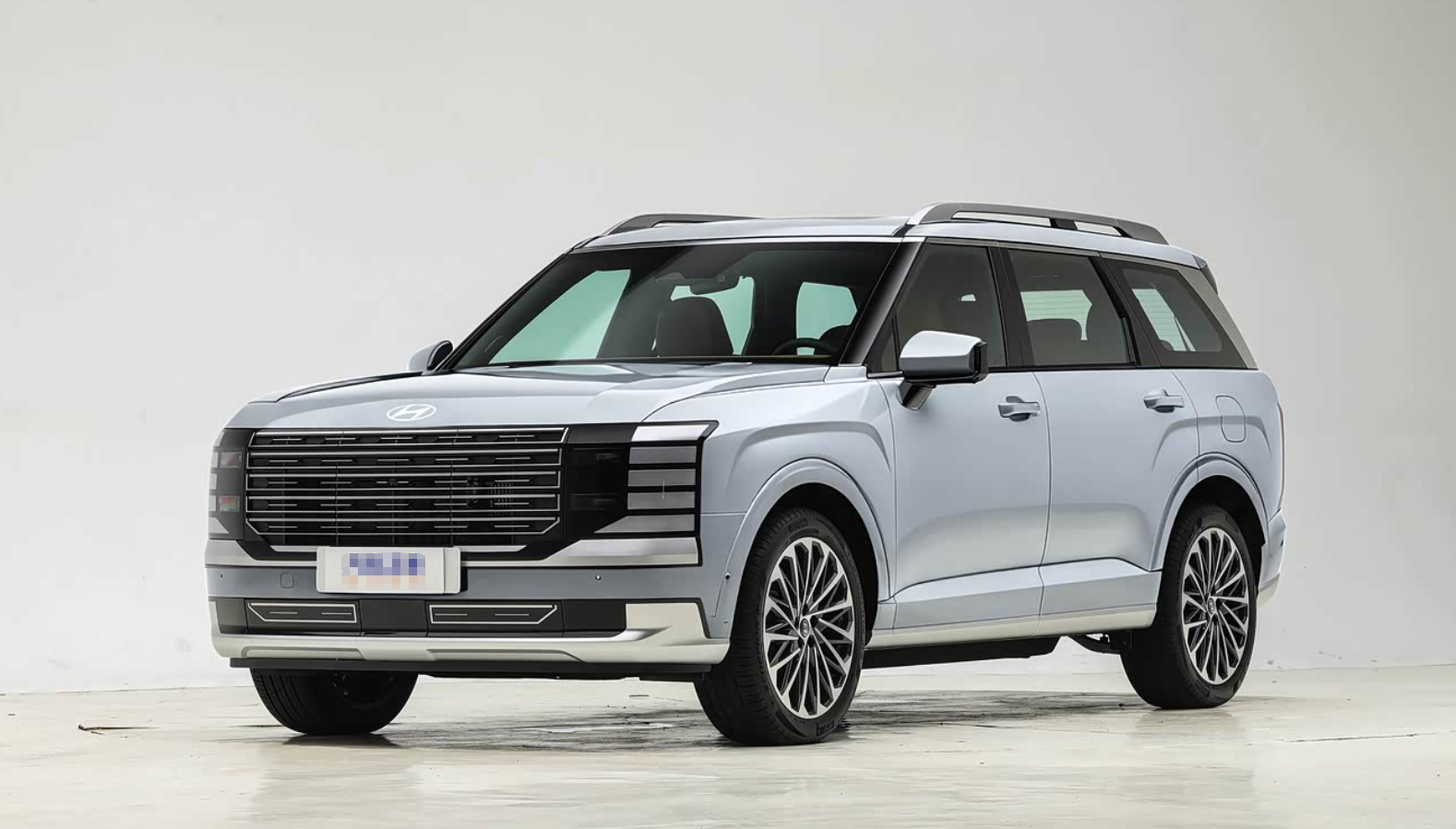
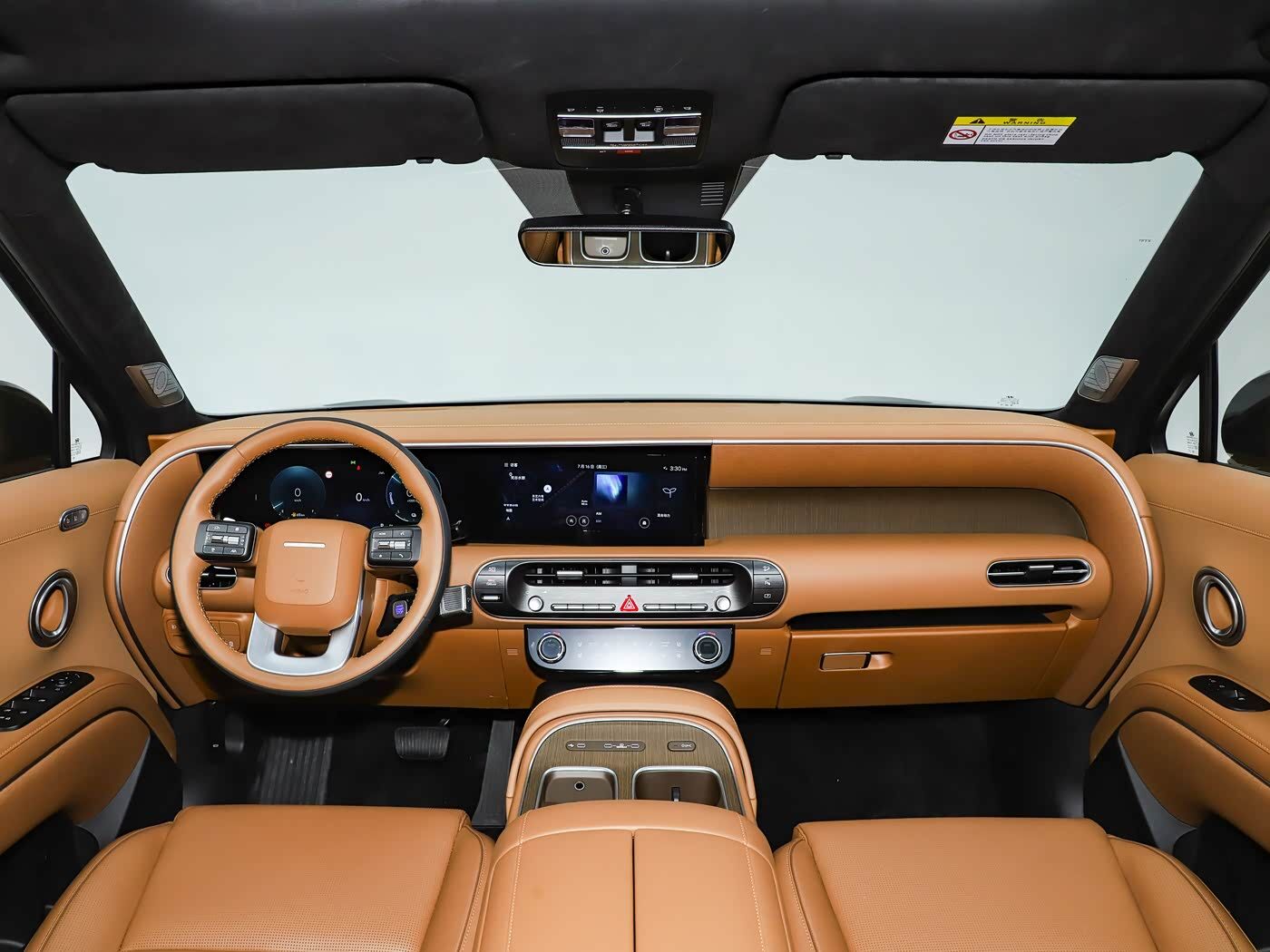
The Palisade is a hybrid with a 2.5T engine delivering 262 horsepower paired with a 6-speed automatic transmission. It offers smooth, effortless acceleration and can travel over 900 kilometers on a full tank of fuel, so you won't need to worry about range during long road trips. The chassis is tuned for comfort, absorbing bumps smoothly, making the ride feel like sitting on a plush sofa.
Shortcomings:
That said, the soft suspension has downsides: noticeable body roll in quick turns. At ramp speeds of 60, you feel like you're leaning out, so slow down early. The steering is light at low speeds and heavier at high speeds, but there's some play—stay alert on mountain roads.
There's no perfect car, only the one that fits you best. We recommend taking your family to a dealership to sit in and test drive potential vehicles. The right choice is the best choice for you!
User Comments
No comments yet. Be the first to comment!