30-Series Popular MPVs: One Refined, One Playful. Which One Should You Choose?
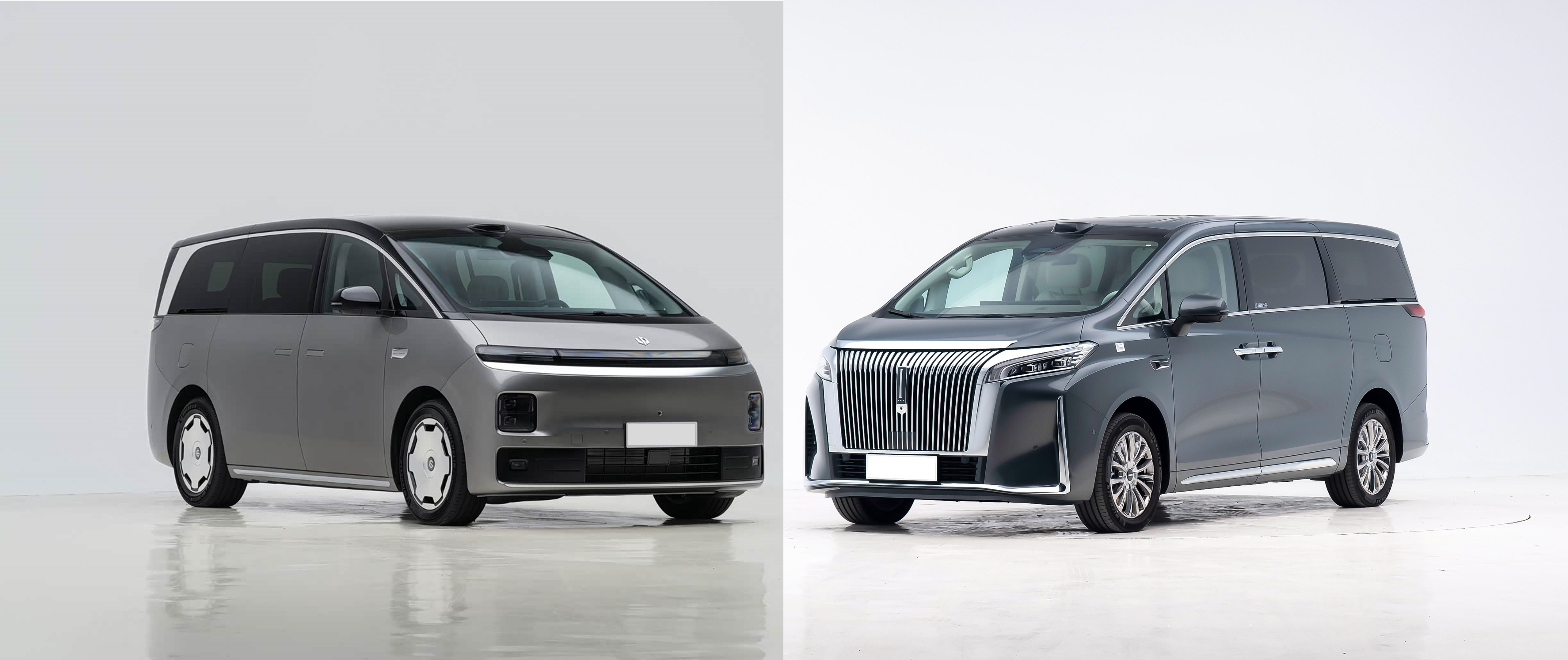
The HiPhi Z8 and Leapmotor D99 are currently the two most popular MPVs. Recently, several owners asked me about these two models. Today, I'll summarize and compare my in-depth experience with both.
Before we dive into the comparison, here's my suggestion: If you're working with a tighter budget, start with the Leapmotor D9 9. If your budget is more flexible, check out the detailed comparison I've put together:
1 Let's start with the ride experience, which is the most immediate impression.
Compared to other vehicles, the Gaoshan 8 treats all three rows equally. Its shared-rail design for the second and third rows is incredibly practical: you can slide the seats forward or backward depending on passenger count and luggage volume. With more passengers, push the rear rows back; with more cargo, pull them forward. This flexibility is unmatched in its class. The zero-gravity second-row seats aren't just a gimmick—even after driving over 2 hours, the ride remains extremely comfortable. Equipped with 10-point massage, ventilation, and heating, the genuine Nappa leather feels premium. What surprised me most was the third row. In many MPVs, it's merely an emergency bench, but the Gaoshan 8's butterfly-style third-row seats feature a seat cushion depth of 512mm and a recline angle that nearly flattens out. Even adults up to 1 feet 8 inches tall have knee clearance when seated there—it's no longer a compromised spot.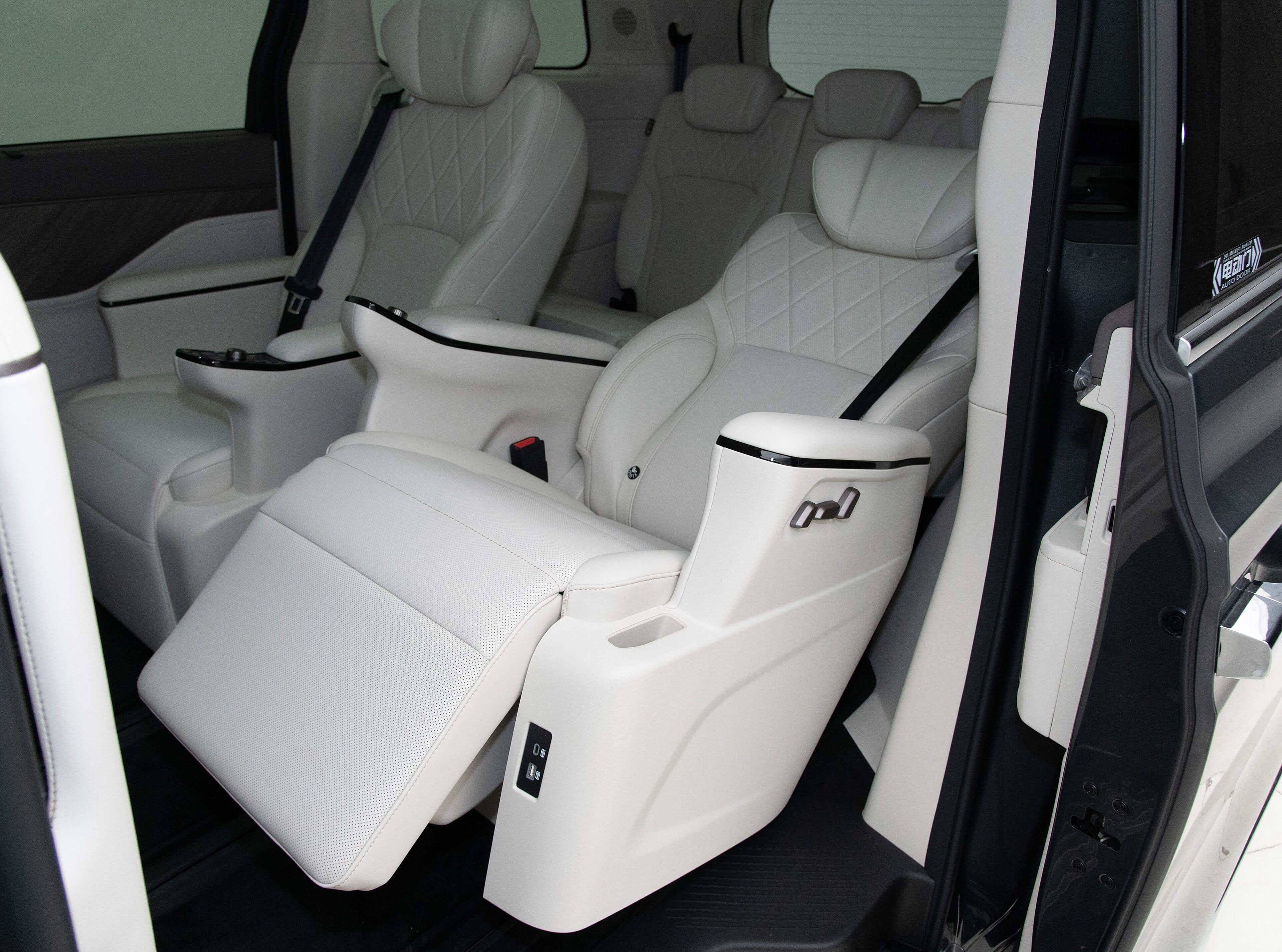
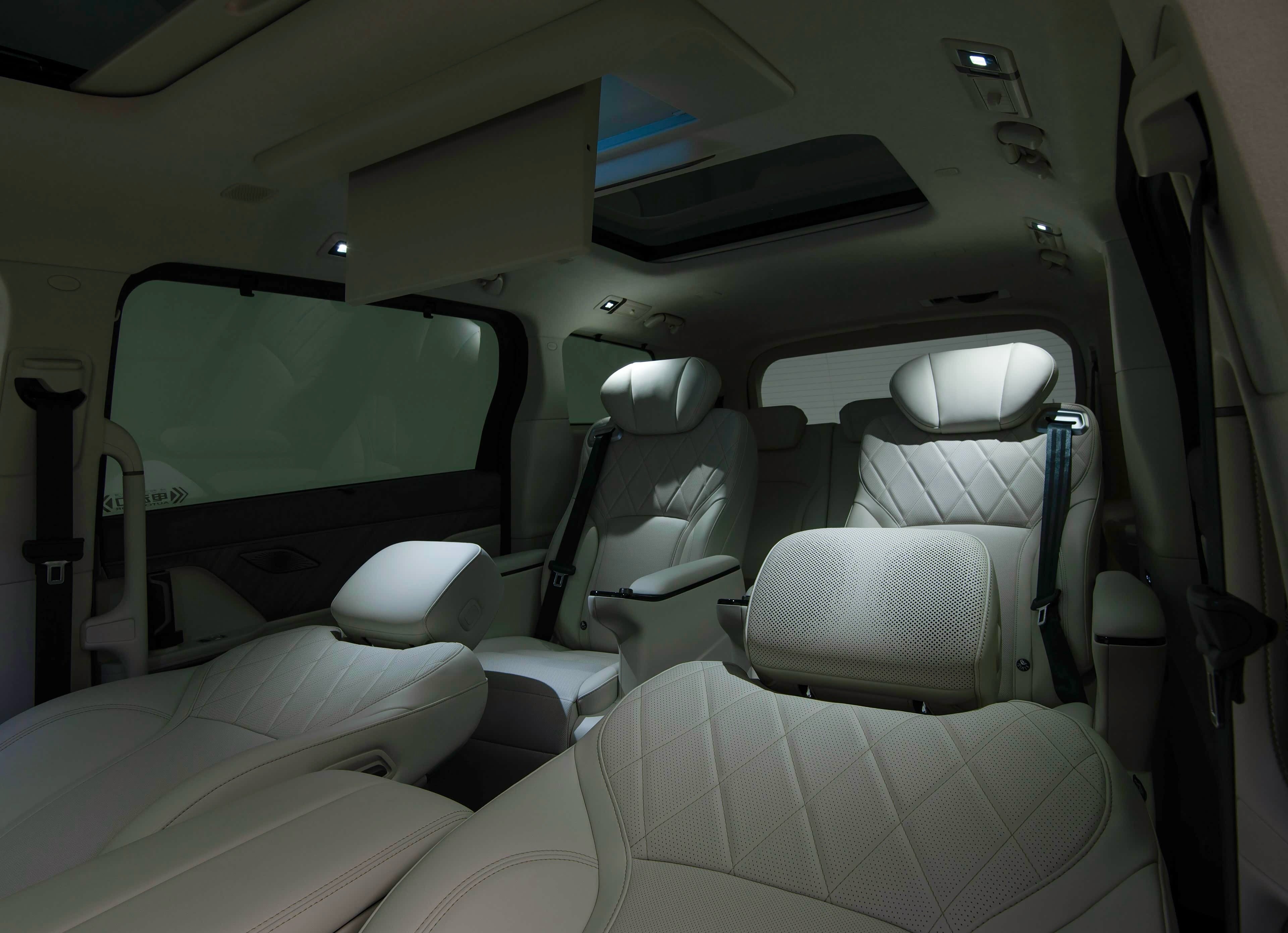
Leapmotor D99 takes a different approach with more innovative features. The second-row aviation seats offer zero-gravity mode, 45 welcome rotation, and a 180 face-to-face seating arrangement after rotation, complete with foldable tables for an enhanced experience. Compared to the Gaoshan8, Leapmotor D99 provides more versatile seat configurations, offering richer experiences during camping trips. A standout detail in Leapmotor D99's second row is the footrest, which adds significant comfort in zero-gravity mode. The third-row space in Leapmotor D99 is also spacious; even I, who am on the heavier side, have ample legroom when seated. With all eight seats occupied, the trunk can still accommodate up to 70 6L of cargo. Unlike the Gaoshan8, Leapmotor D99's third-row seats can fold flat into the floor, creating a massive cargo area in four-seat mode. However, even at its maximum recline, D99's third-row backrest remains relatively upright, making it slightly less comfortable than the Gaoshan8 for extended periods.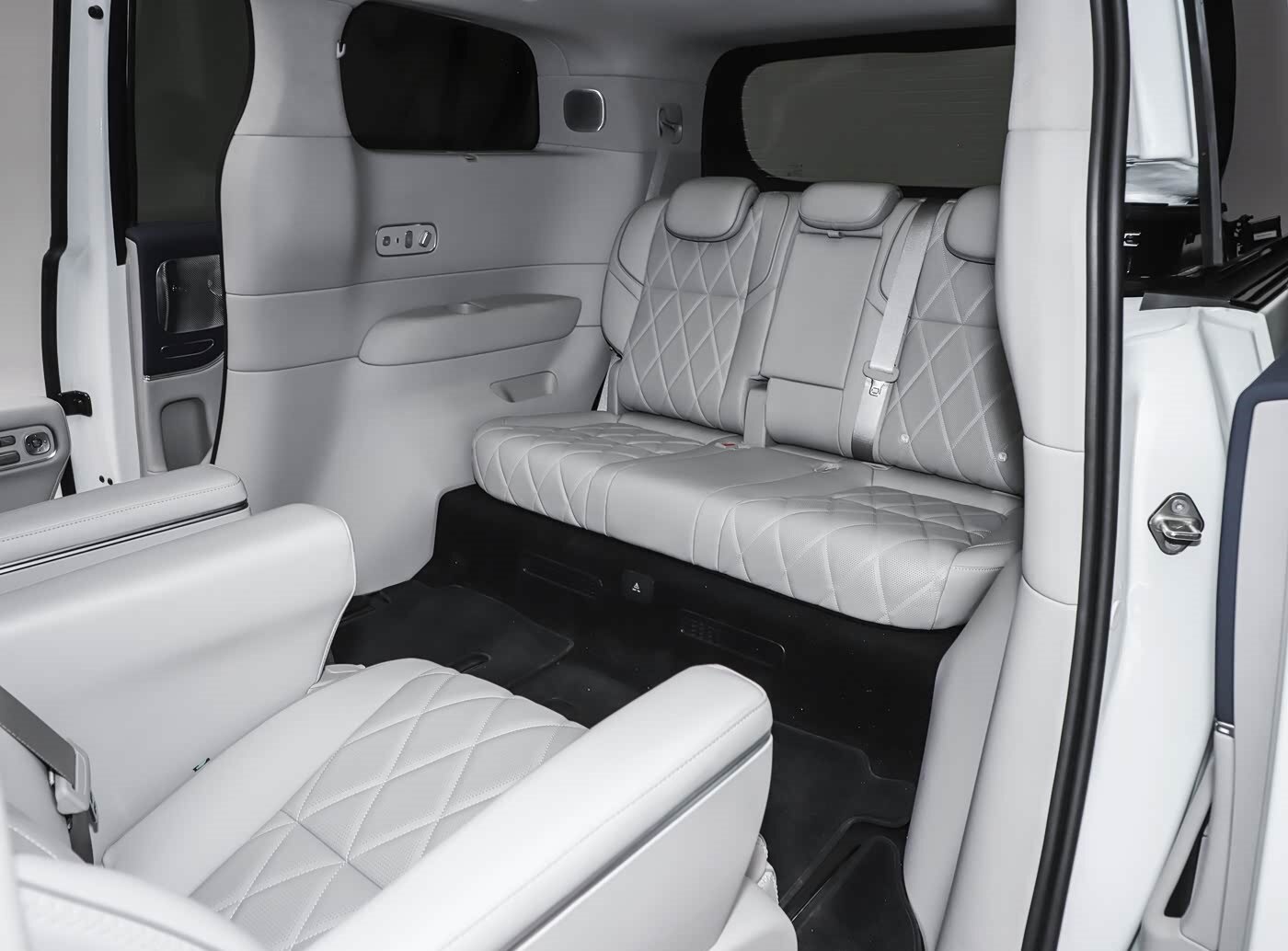
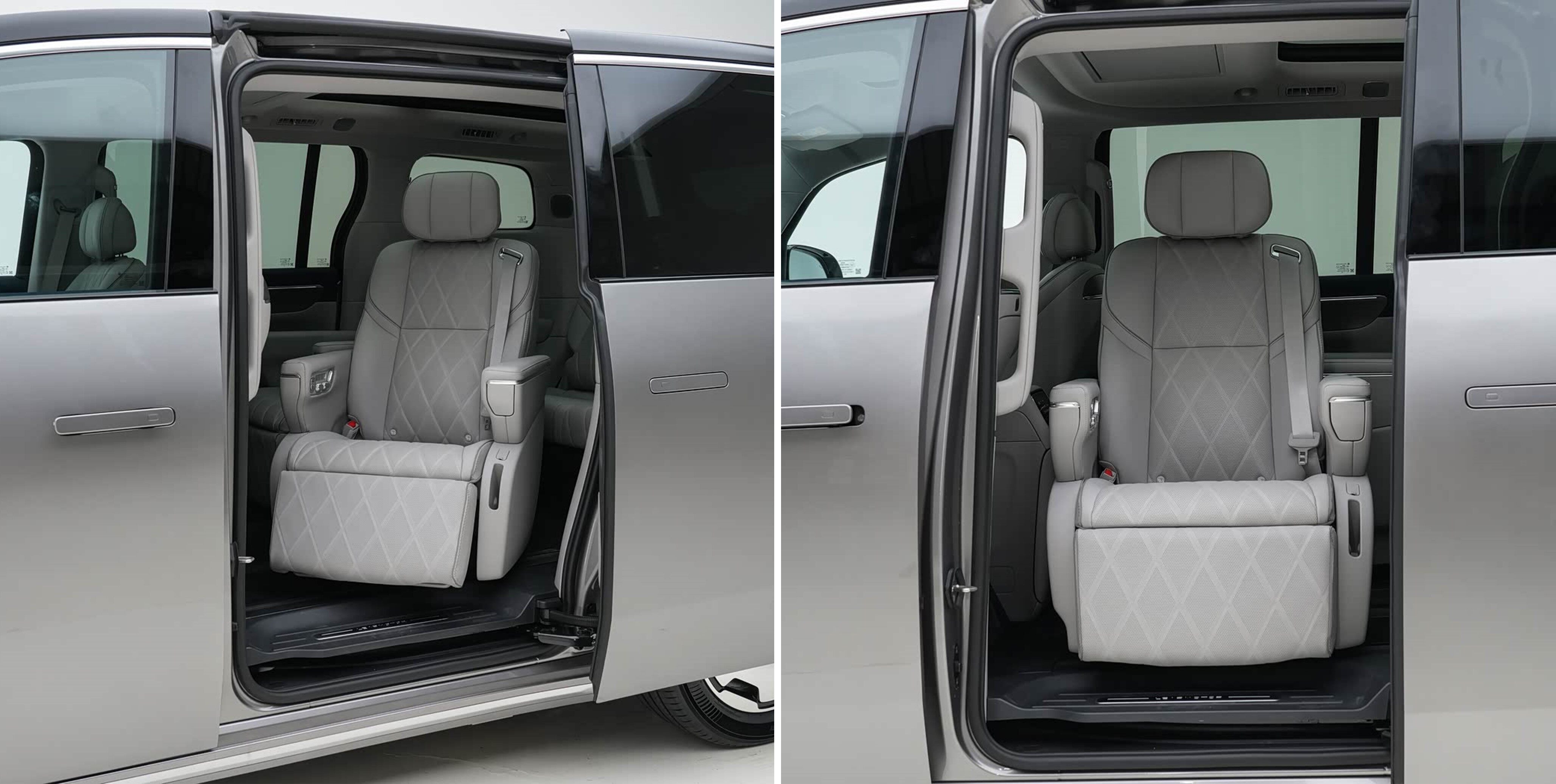
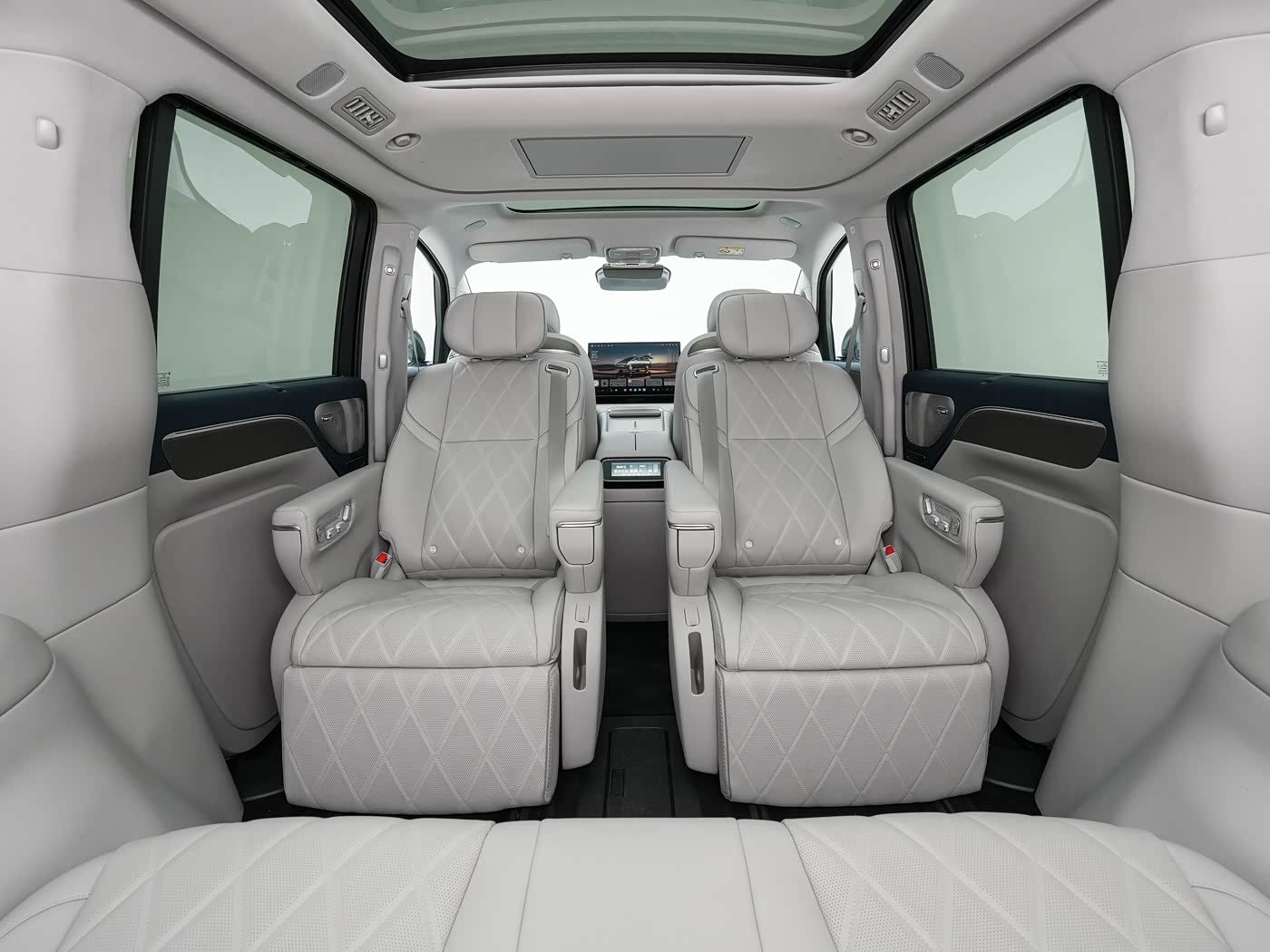
Next is cabin quietness. The Gaoshan 8 maintains excellent noise control at highway speeds of 120, so you can watch shows on the entertainment screen or chat with a passenger without raising your voice. The Leapmotor D9 9 also handles city driving very quietly, but at highway speeds 120, it's slightly noisier than the Gaoshan 8. Additionally, when the range extender kicks in, some engine noise becomes audible inside the cabin.
2 Let's also cover the vehicle's powertrain and driving controls.
In my personal driving experience, there is a noticeable difference in handling between the Wuling Gaoshan 8 and Leapmotor D9 9. I prefer the Gaoshan 8 for its superior control.
The Gaoshan 8 is equipped with a 1.5T hybrid powertrain paired with dual motors and Hi-4 four-wheel drive. Officially, it accelerates from 0 to 100 km/h in 5.7 seconds. While we haven't tested full-throttle acceleration, the power delivery feels smooth in real-world driving. It's light off the line and provides strong overtaking capability above 100 km/h—just press the accelerator to surge forward.
The Gaoshan 8 features MacPherson front suspension and a five-link rear suspension, with aluminum alloy used for key components like the lower control arms. Although it lacks air suspension, it does come with CDC electromagnetic dampers. As a result, you can feel the bump over speed humps, though not excessively. However, passengers in the third row may notice a firmer ride when crossing newer or taller speed humps.
Additionally, when cornering in the Gaoshan 8, there's minimal body roll if speeds stay between 50 and 60. At slightly higher speeds, however, some noticeable sway begins to appear.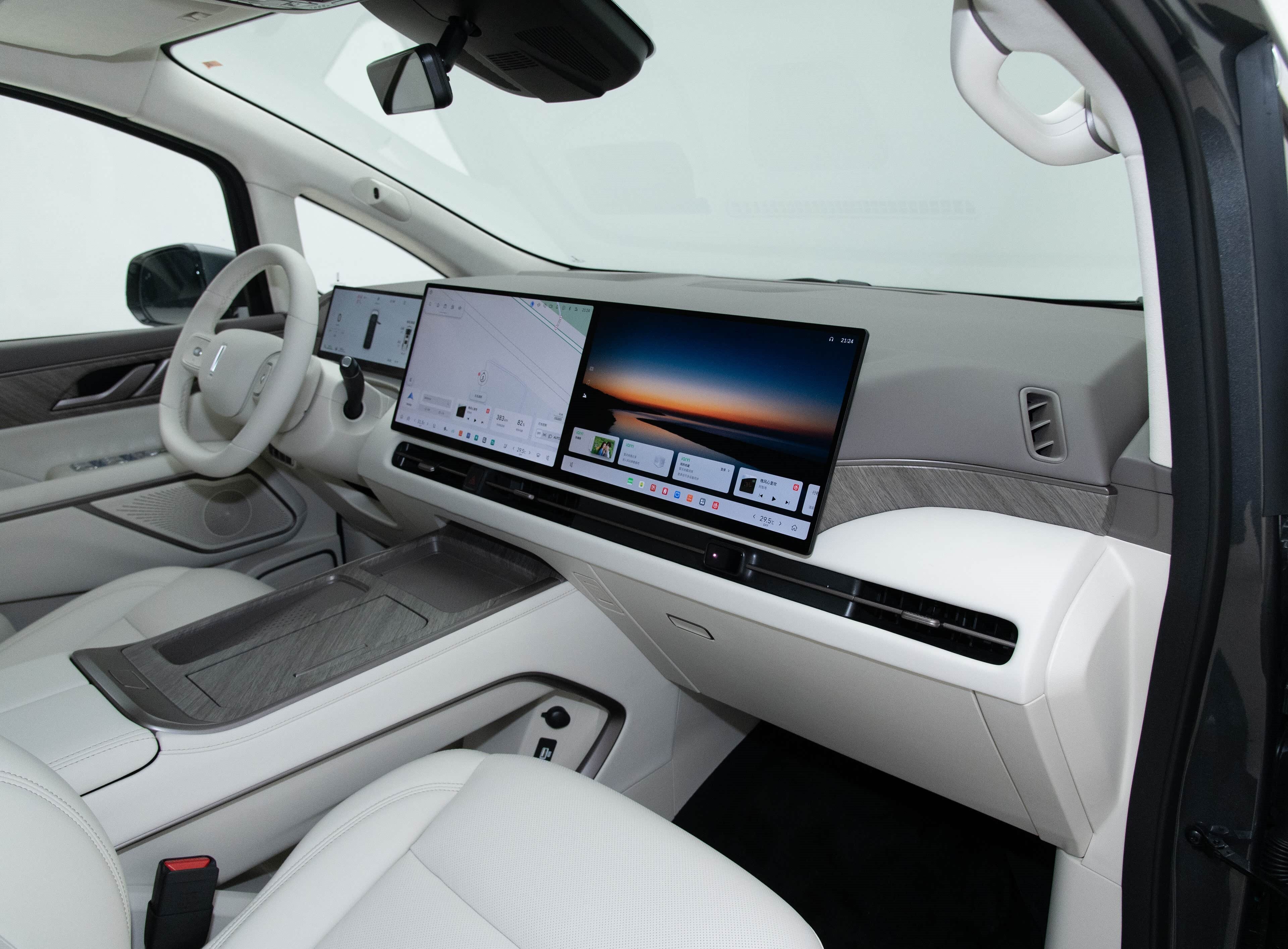
Leapmotor D9 9 Extended-Range Flagship, 300 kW. Official specs claim 0–60 mph in 6.3 seconds—plenty of power. The D9 9 features a front double-wishbone and rear multi-link independent suspension, plus dual-chamber air springs, CDC damping, and Magic Carpet pre-scan. On uneven roads, ride comfort is smooth with minimal harshness. Even on rough surfaces, body control remains steady without abrupt bouncing. Additionally, the D9 9 includes LMC anti-motion sickness control. Combined with its suspension suite, it should theoretically perform well—but during our test drive, the chassis felt too soft. First and second-row passengers noticed little difference, but third-row riders would feel it more directly; elderly guests and children may be prone to motion sickness there. Also, when navigating ramps or curves, the softer setup causes slightly more body roll compared to the Gaoshan 8.
Of course, this is my personal impression. I recommend test-driving and comparing a few models yourself.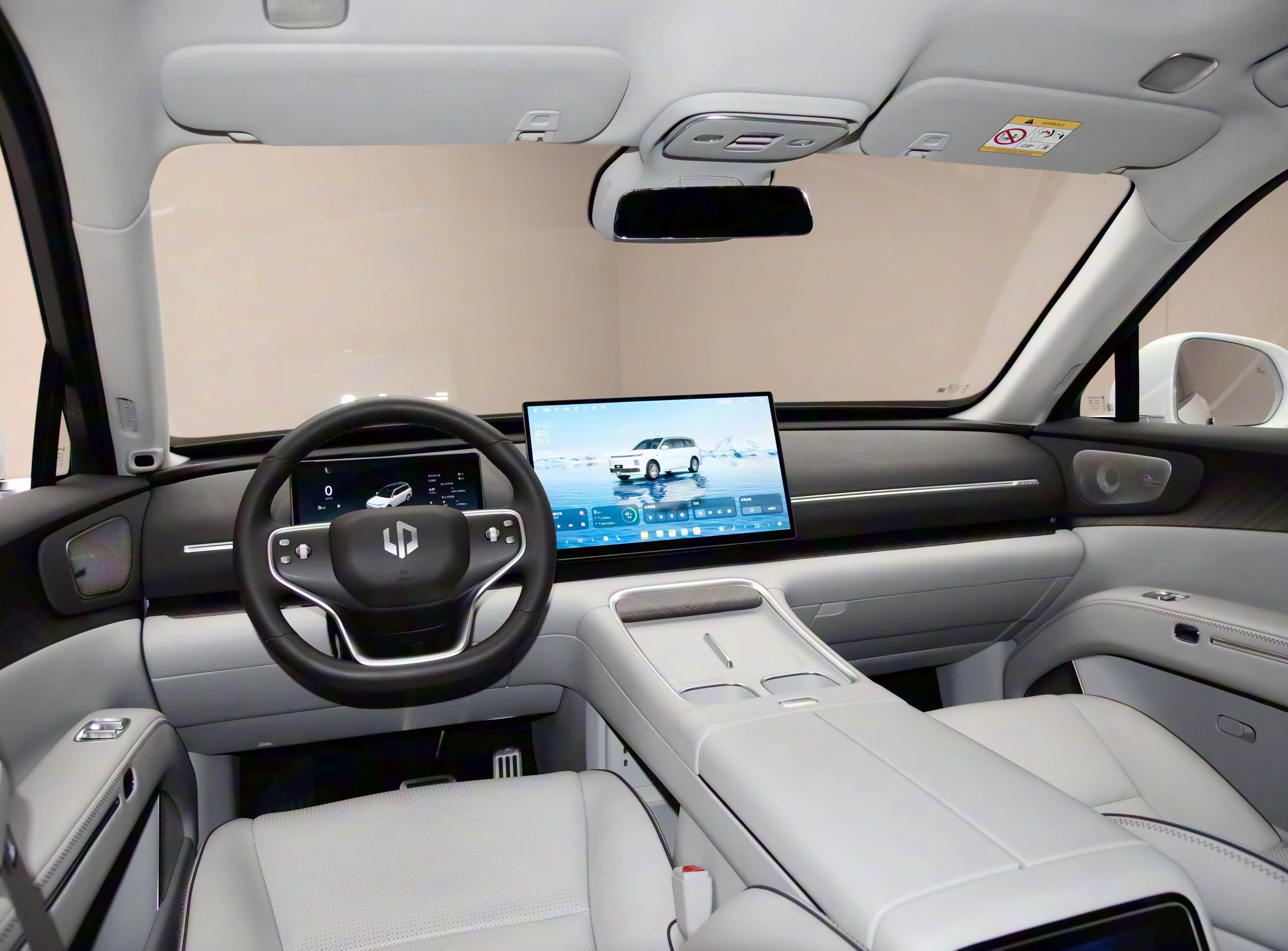
3 Both vehicles have their own strengths in terms of safety.
Last year, a CCTV program publicly showcased the Gao Shan 8 simulated crash test: two vehicles collided vertically at 60 km/h. The Gao Shan's body structure remained completely undeformed, and all three rows of passenger space were intact. This outstanding safety performance is primarily due to the Gao Shan's vehicle-wide high-strength steel ratio of 81.96%, A-pillars and B-pillars made from 2000 MPa hot-formed steel, and side air curtains that provide up to 6 seconds of pressure retention across all three rows.
The Leapmotor D9 9 is actually quite impressive. Its body features a 12-horizontal, 5-vertical, and 4-strong-ring cage design, with high-strength steel and aluminum alloy making up 81% of the structure. It includes 11 airbags and a full-length curtain airbag spanning from the A-pillar to the D-pillar. The battery has ten layers of protection, withstands temperatures above 1300°C, and can correct vehicle stability within 200 milliseconds during a dual-wheel blowout at highway speeds.
It's clear that both vehicles use high-quality materials for safety.
4 Vehicle energy consumption.
The Gaoshan 8 is a plug-in hybrid with a 44.28 kWh ternary lithium battery. It offers an WLTC all-electric range of 17 km and a combined WLTC range of 94 km. For daily commuting, charging once every few days—typically 1 to 2 times per week—is sufficient. With home charging, monthly electricity costs are around $10–$20. In summer and winter, when energy consumption is higher, even $60 in electricity charges should be enough.
High mountain 8 lowest state of charge fuel consumption: official data is 7.15L/100km, but many users report actual figures around 9.5L.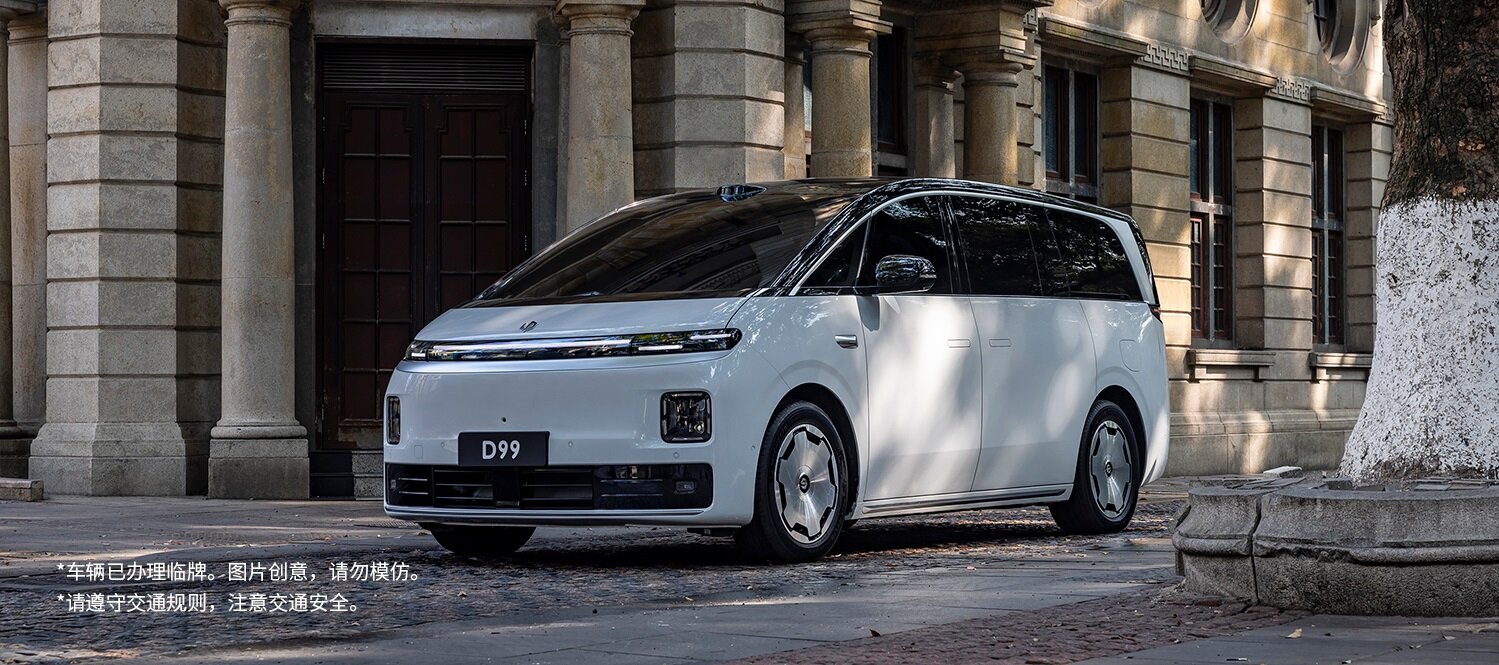
Leapmotor D9 9 Extended-Range Flagship is equipped with a 80.3 kWh lithium iron phosphate battery, offering an WLTC pure electric range of 35 km and a combined WLTC range of 96 km. For daily commuting, the pure electric mode provides ample flexibility—charging once a week is more than sufficient. If you have home charging capabilities, the cost will be very low.
The CLTC fuel consumption of the extended-range Leapmotor D9 9 at minimum charge state is officially rated at 6.72L/100km. While I haven't found real-world user data yet, based on other extended-range vehicles, highway cruising can push the engine to high load, raising fuel consumption to 8L or even 9L per 100km.
5 About Intelligent Driving and Hardware Configuration
In terms of ADAS hardware and computing power, the Gaoshan 8 definitely falls short compared to the Leapmotor D9 9.
The Gaoshan 8 is powered by a single NVIDIA Orin-X chip with 254 TOPS of computing power, which is sufficient for current L2-level driver assistance. In contrast, the Leapmotor D9 9 features dual Qualcomm 8797 chips, delivering a combined 40 TOPS of computing power and leaving ample headroom for future OTA upgrades. Additionally, in terms of sensor count, the Gaoshan 8 has 27 sensors, while the D9 9 is equipped with 28 perception hardware units; both vehicles appear comparable at first glance.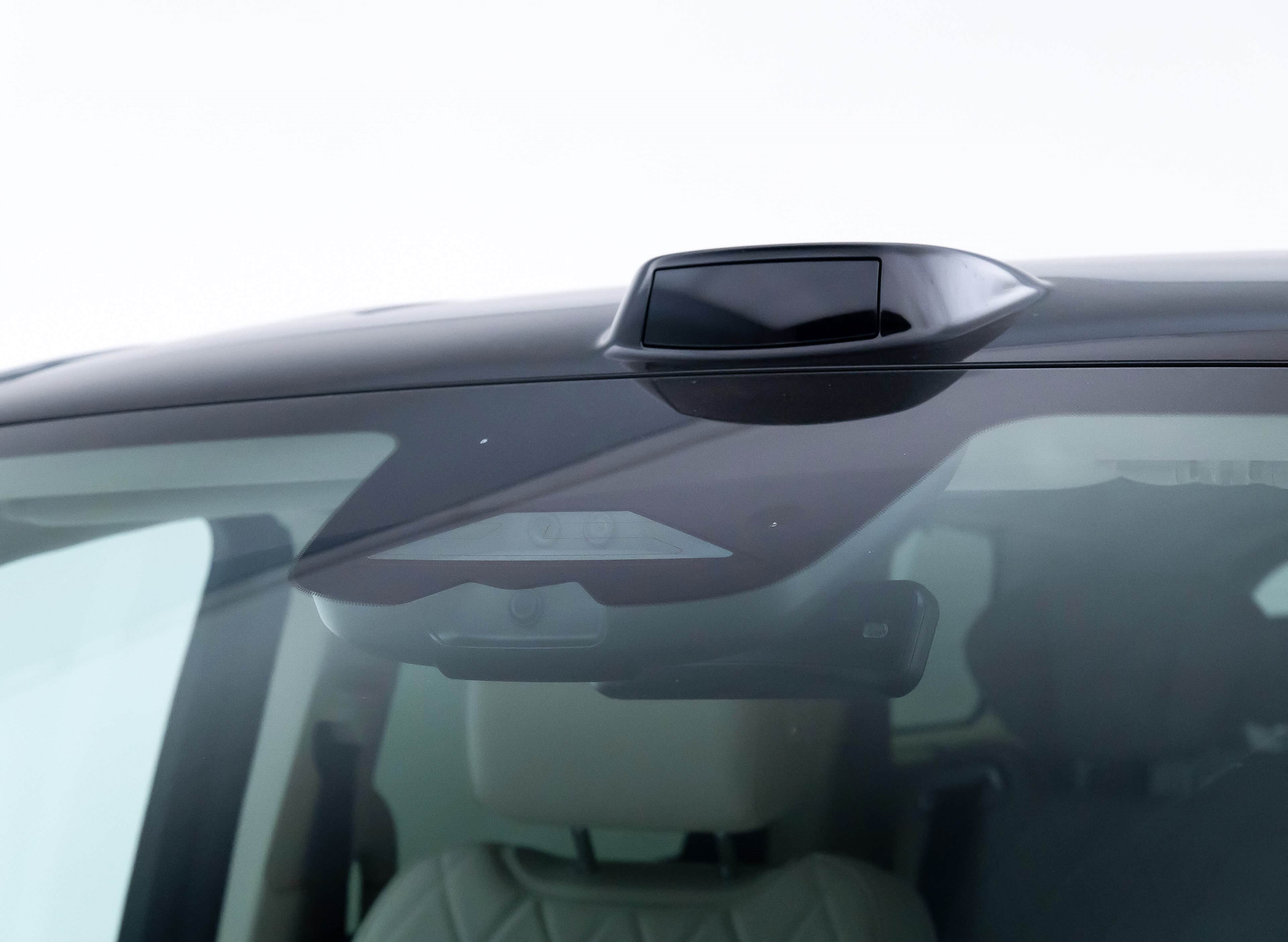
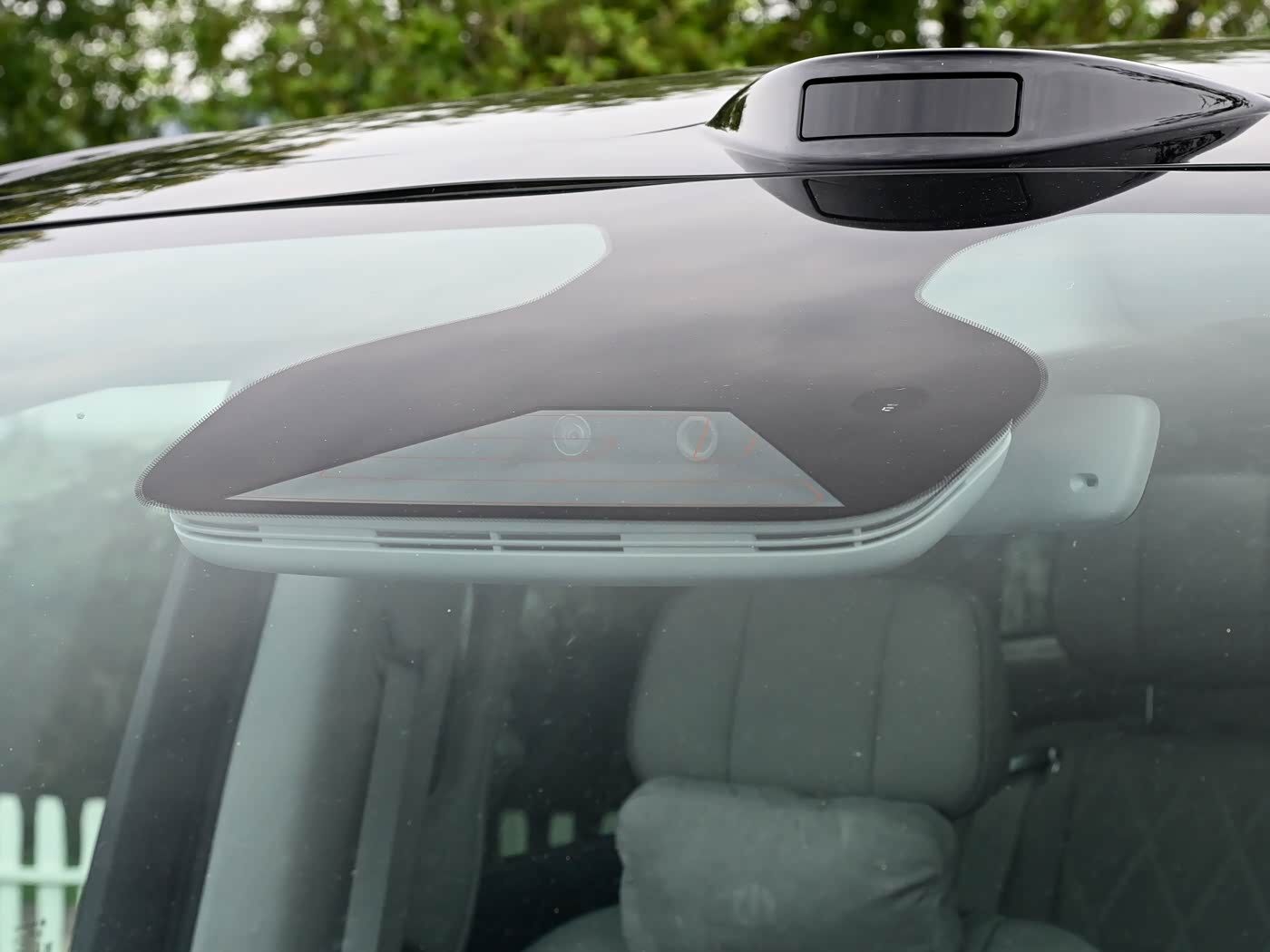
In both real-world use and overall feel, both vehicles are excellent. The Gaoshan 8 features the Coffee Pilot Ultra system, which supports mapless full-scenario NOA for highways and urban areas. In actual driving, the highway NOA performs very steadily. The Leapmotor D9 9 uses the VLA large model-assisted driving system, supporting full-scenario navigation from parking spot to parking spot, covering far more scenarios than the Gaoshan 8. It also delivers stable and smooth performance in real-world conditions.
However, if you consider future autonomous driving upgrades, the Leapmotor D99 will definitely have a clear advantage.
最后做个总结吧,高山8和零跑D99,是两款相当不错的MPV,家用或偶尔的接待,都是不错的选择。高山8呢偏稳重一些,零跑D99则有更多的玩法。
If your budget allows, both the Gaoshan 8 and Leapmotor D9 9 extended-range flagship models are great options—it comes down to personal preference. If you're working with a tighter budget, go for the Leapmotor D9 9. Personally, I'd recommend the extended-range version of the Leapmotor D9 9.
User Comments
No comments yet. Be the first to comment!