4 Underrated SUV Gems: These Veteran Models Are Actually Worth It
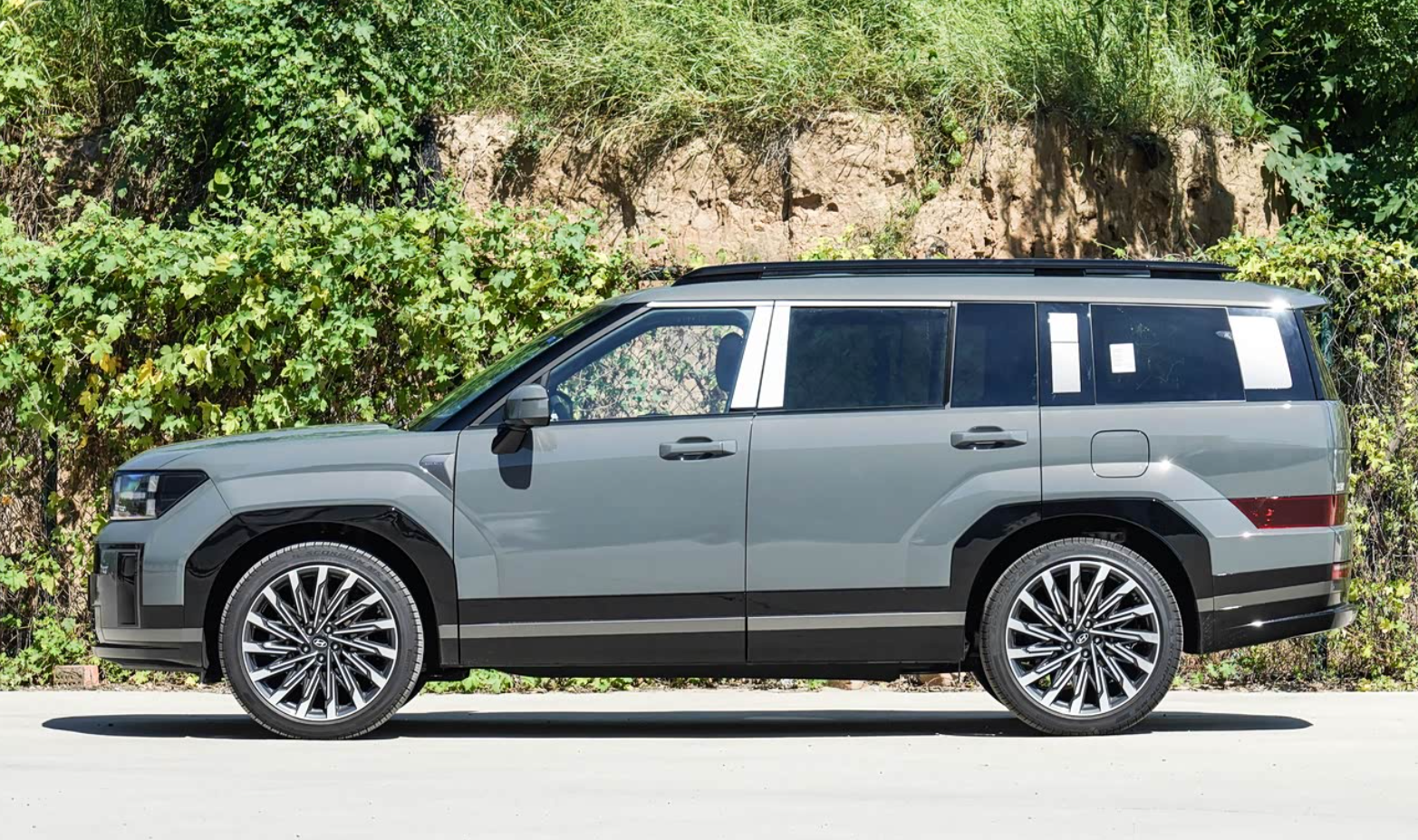
In today's 7-seater SUV market, domestic new energy vehicles and emerging brands are dominating the spotlight. Yet some established joint-venture players, though less visible, still deliver impressive product strength. Today, we're revisiting four underrated or increasingly overlooked 7-seater SUVs from these legacy automakers:Ford Edge, Hyundai Santa Fe, Peugeot 5008, Chevrolet BlazerThese four models have all enjoyed their moments of glory. With prices now well-positioned, they're great times to buy.
Ford Edge
The Ford Edge is a standout among American seven-passenger SUVs, known for its spacious interior and powerful performance. Even as its popularity has waned, the Edge remains an excellent choice for family use thanks to its impressive capabilities.
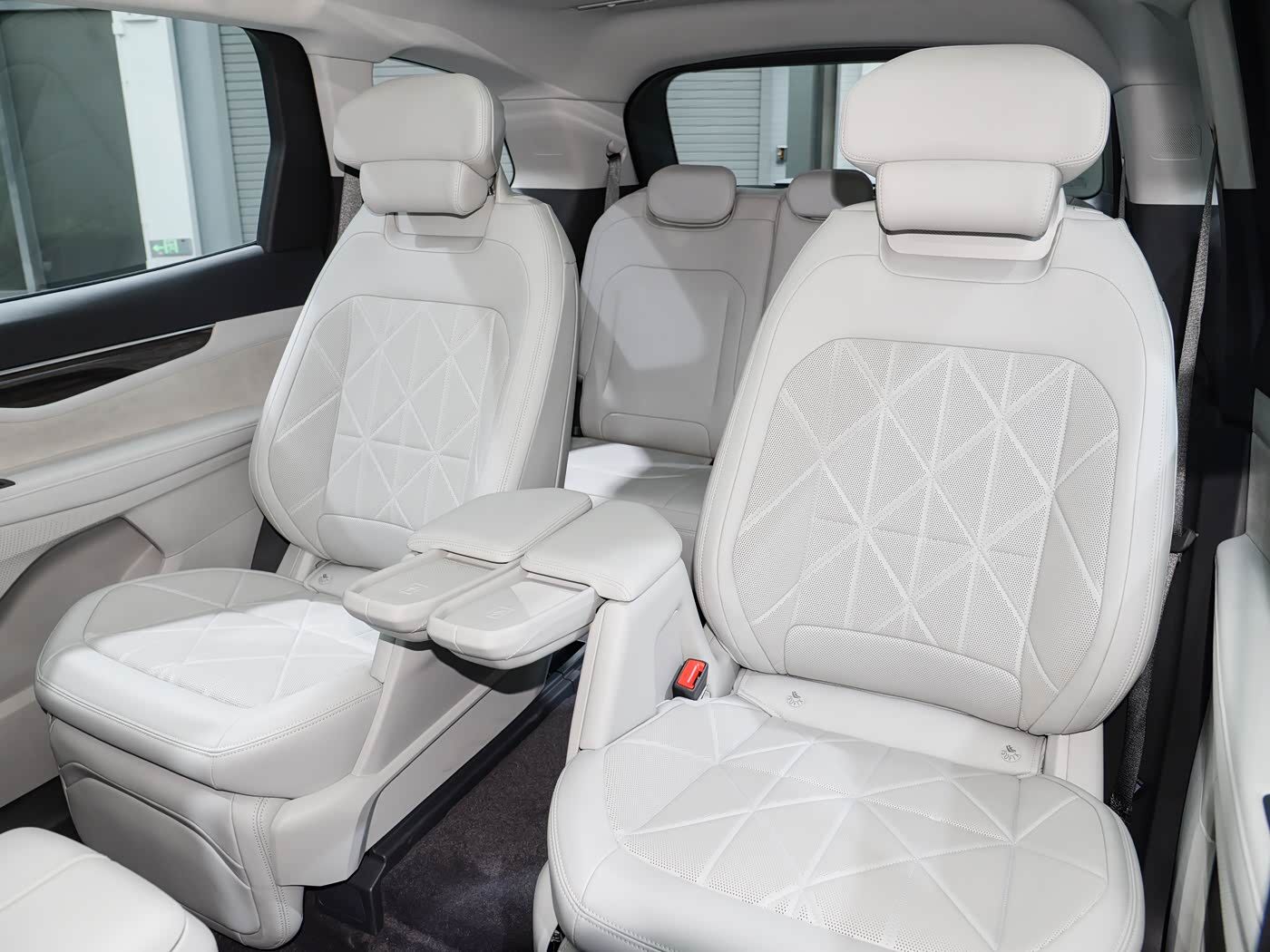
Let's start with the pros: space. The 2+3+2 seating layout makes the first and second rows indistinguishable from a standard five-seater SUV. While entering the third row requires a bit of effort, it's not cramped. Thanks to the 2950 wheelbase, even adults up to 175 feet tall can sit comfortably in the back without feeling restricted.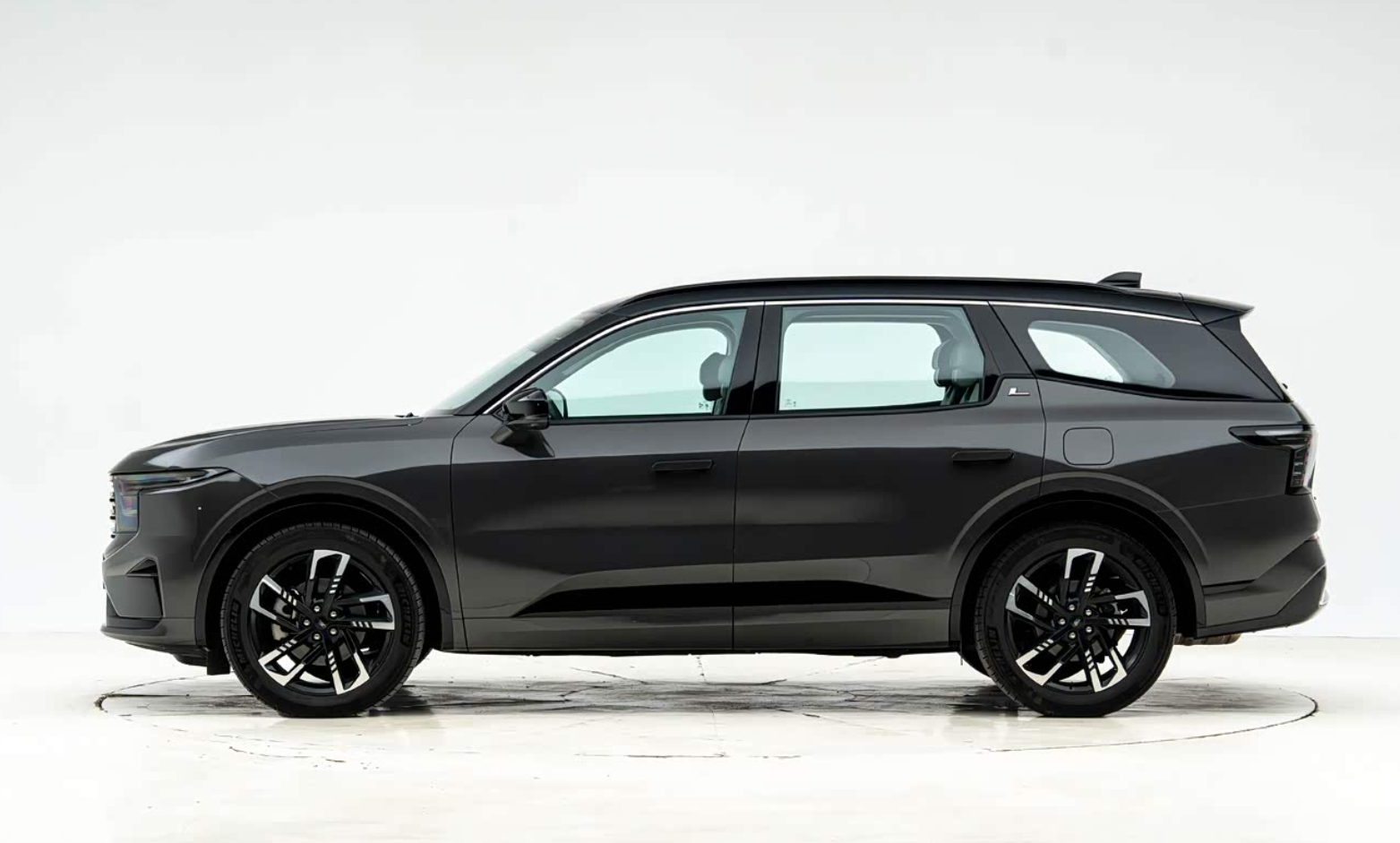
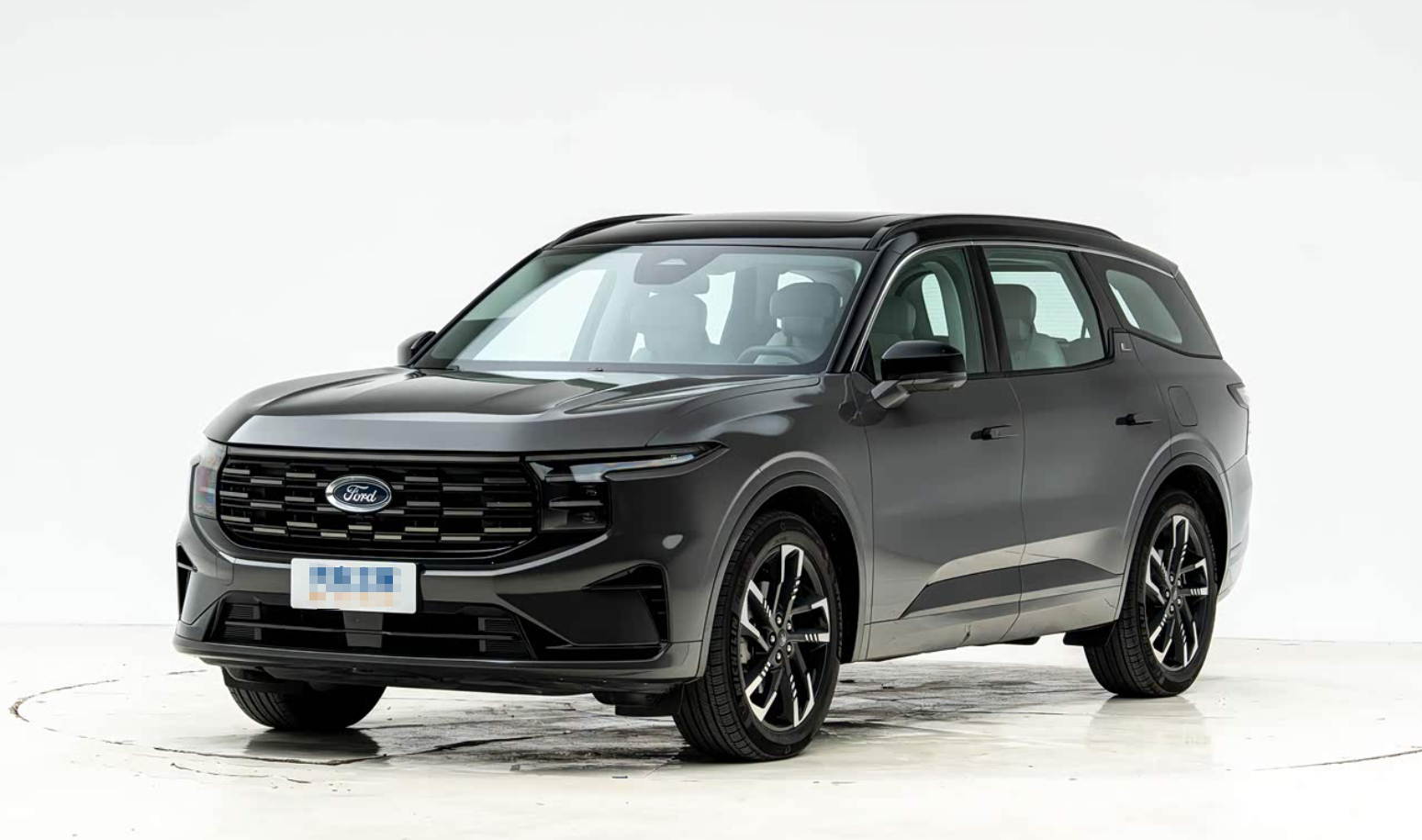
The Edge delivers powerful performance. With 2.0T+8AT of power, overtaking at high speed with a full load is effortless. The transmission shifts smoothly, and it runs on regular unleaded fuel—keeping operating costs low. Additionally, the chassis tuning emphasizes stability, ensuring confident handling on highways. Higher trims include all-wheel drive for added peace of mind in rain or snow.
The Edge has some clear drawbacks. The infotainment system responds slowly, and navigation can occasionally lag when switching routes. It also lacks Apple CarPlay, making it less convenient than many new energy vehicles. Additionally, while the third-row space is acceptable, the seats feel thin and under-supported. The interior design is also quite basic, lacking a premium feel compared to competitors.
Hyundai Santa Fe
The Santa Fe's design is instantly memorable. Its boxy, squared-off silhouette stands out whenever you spot it on the road. Once the benchmark for Korean 7-seater SUVs and a clear leader against many rivals, its market presence has waned—but it still delivers strong value and performance.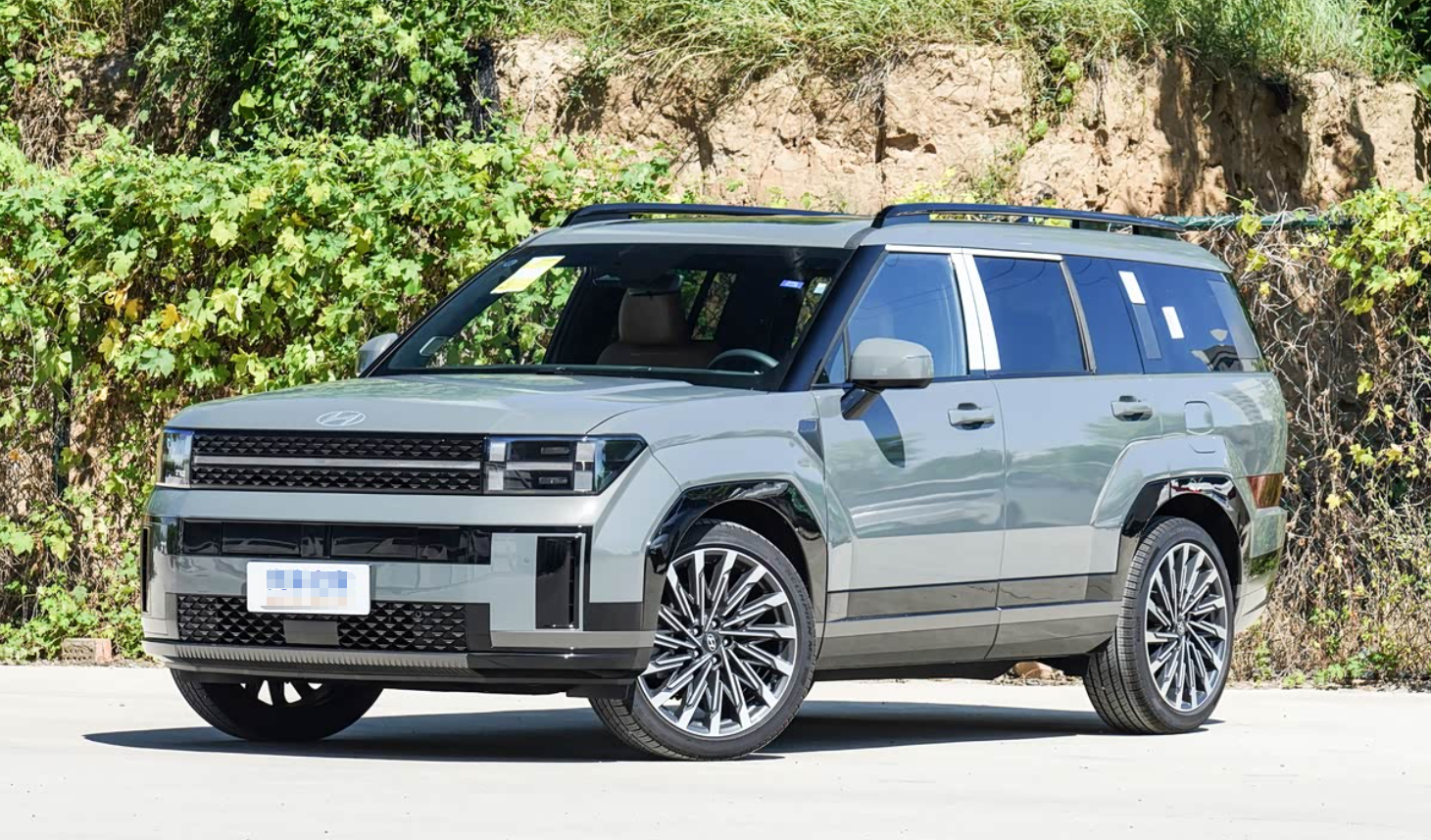
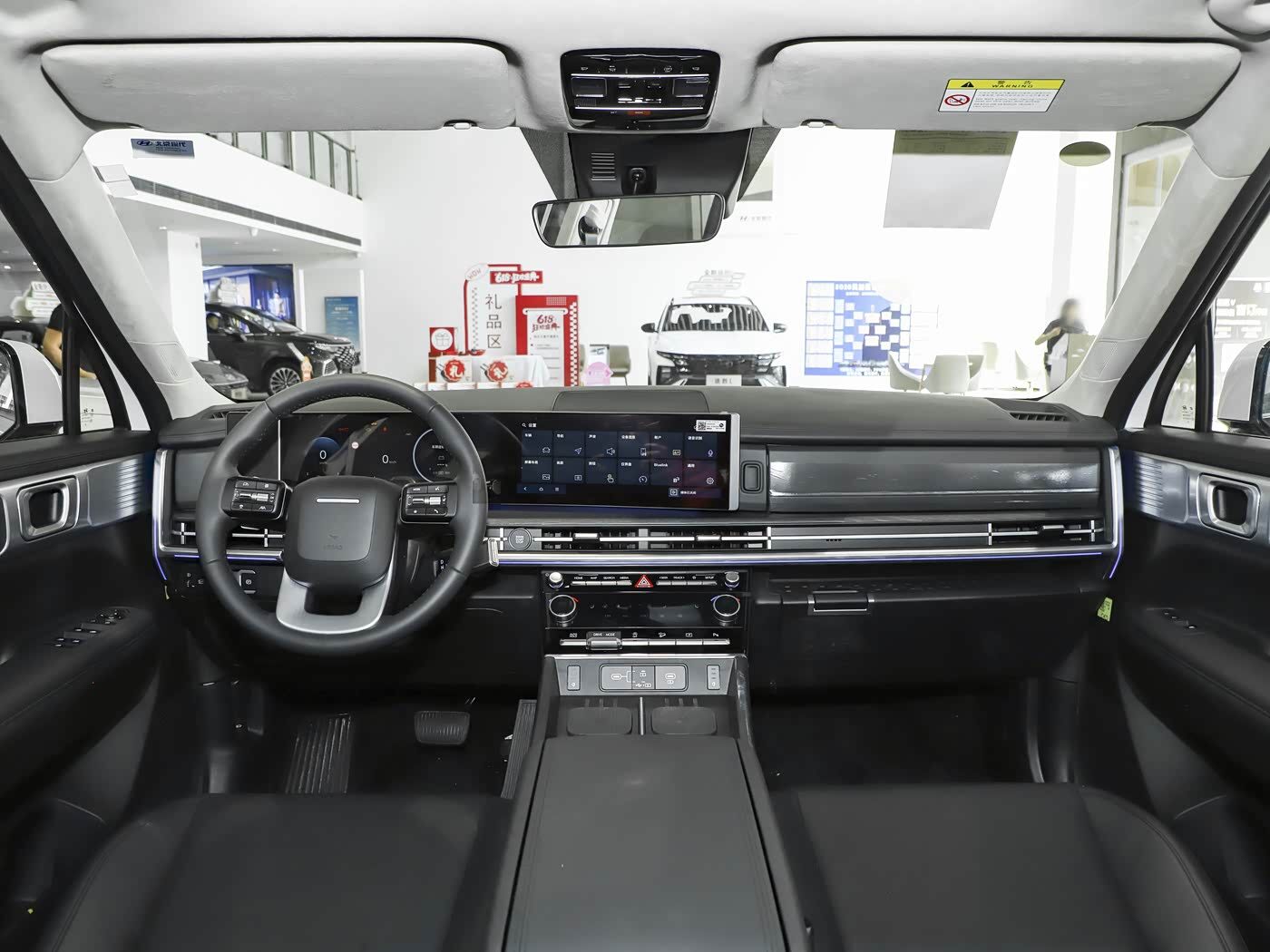
The Santa Fe's strength lies in its suitability for family use. With a length of 4830 and a wheelbase of 2815, it offers a compact exterior while maximizing interior space. Available in 5-, 6-, and 7-seat configurations, all trims except the base model allow you to switch seating layouts freely. The 6-seat version stands out with two captain's chairs in the second row and a center aisle, making access to the third row much easier.
Of course, the Santa Fe delivers strong performance too. 2.0T engine with 247 horsepower paired with an 8-speed automatic transmission ensures smooth power delivery. It feels refined during daily commuting and provides confident acceleration when overtaking.
The 2026 Santa Fe comes standard with L2-level driver assistance and a suite of active and passive safety features, delivering a solid overall driving experience.
Of course, the modern Santa Fe has its own shortcomings. First, fuel consumption: the WLTC combined cycle is around 8.5, but in city driving, it can exceed 10 liters per 100 km—no advantage over new energy vehicles. While the Santa Fe looks tech-forward, there's still a significant gap in actual capability. Additionally, the extensive use of hard plastics in the interior means it needs more work to achieve a truly premium feel.
Peugeot 5008
There's a saying that French cars are built for drivers—those who get it, get it. The Peugeot 5008 is exactly that kind of car: you truly appreciate its excellence only after driving it.
Let's start with the design. I find the Peugeot 5008 quite timeless, thanks to its signature claw-style taillights and a bold mesh grille that make it instantly recognizable. Compared to today's rounded trends, the 5008 still stands out with its distinct character. But what truly won me over is its chassis and handling. Despite using a rear torsion beam non-independent suspension, French engineering shines here—it's no exaggeration. The car feels rock-solid during high-speed emergency lane changes, absorbs bumps over speed humps cleanly and crisply, offers precise steering, and delivers agile body control. That seamless driving connection is hard to match in its class.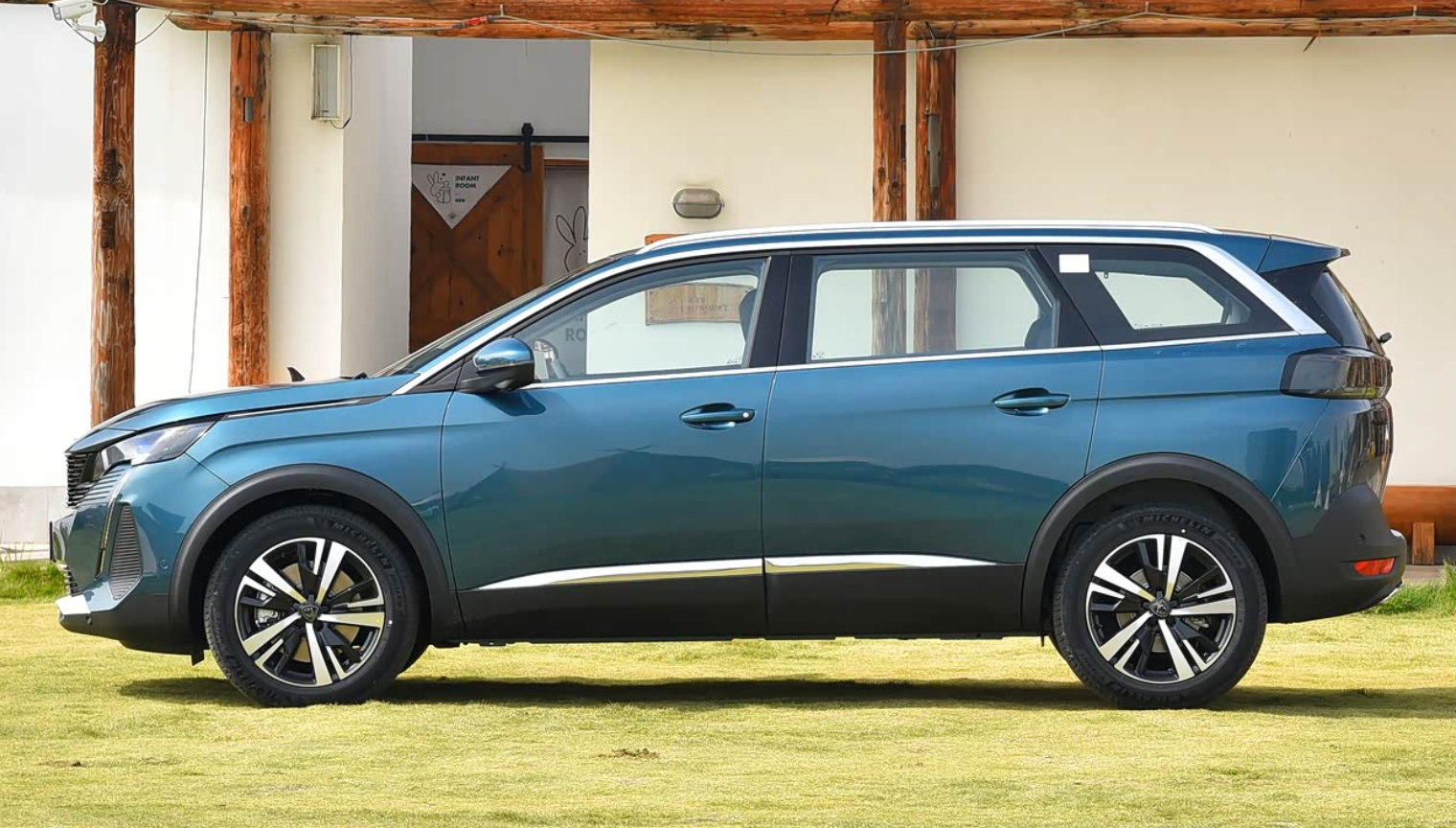
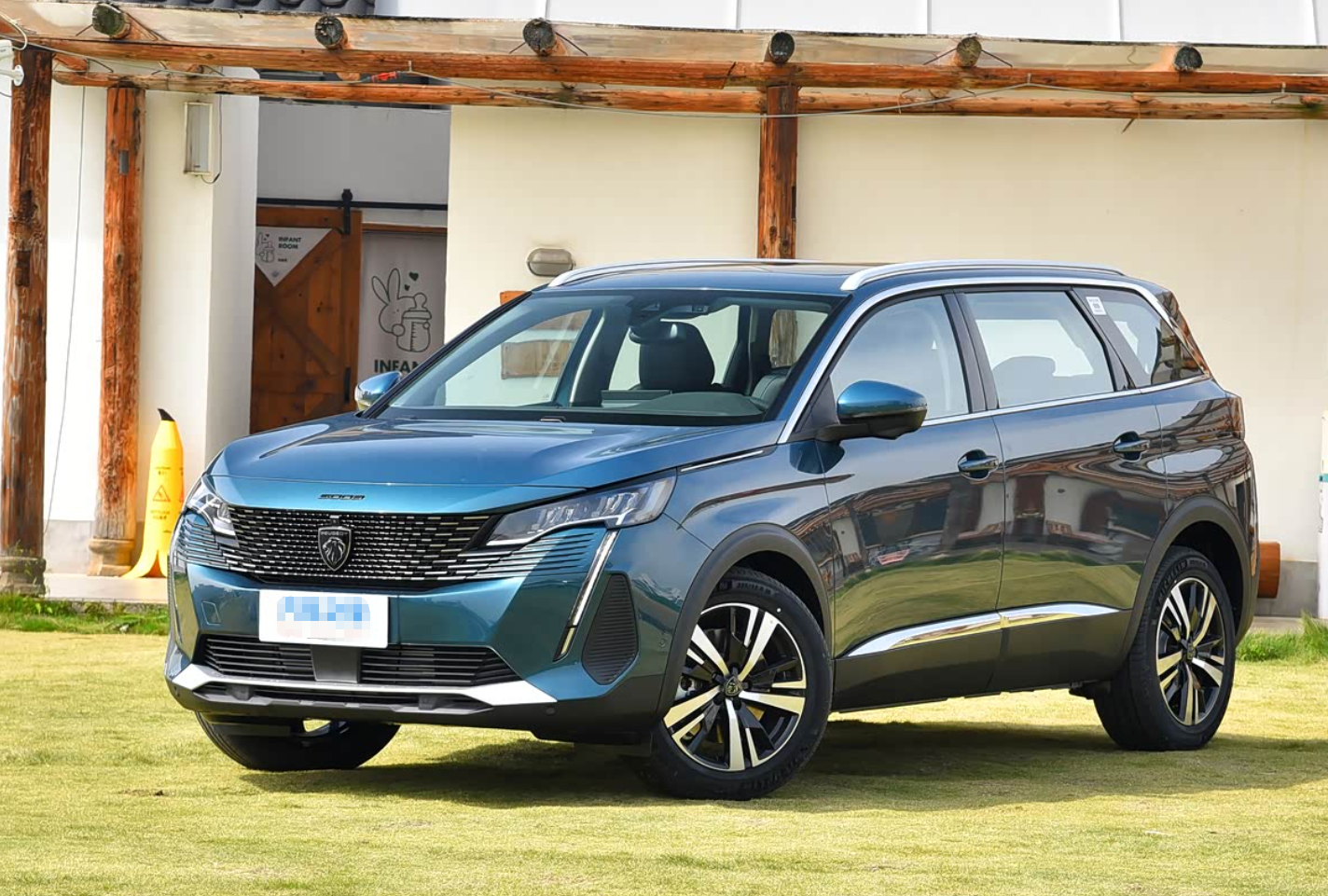
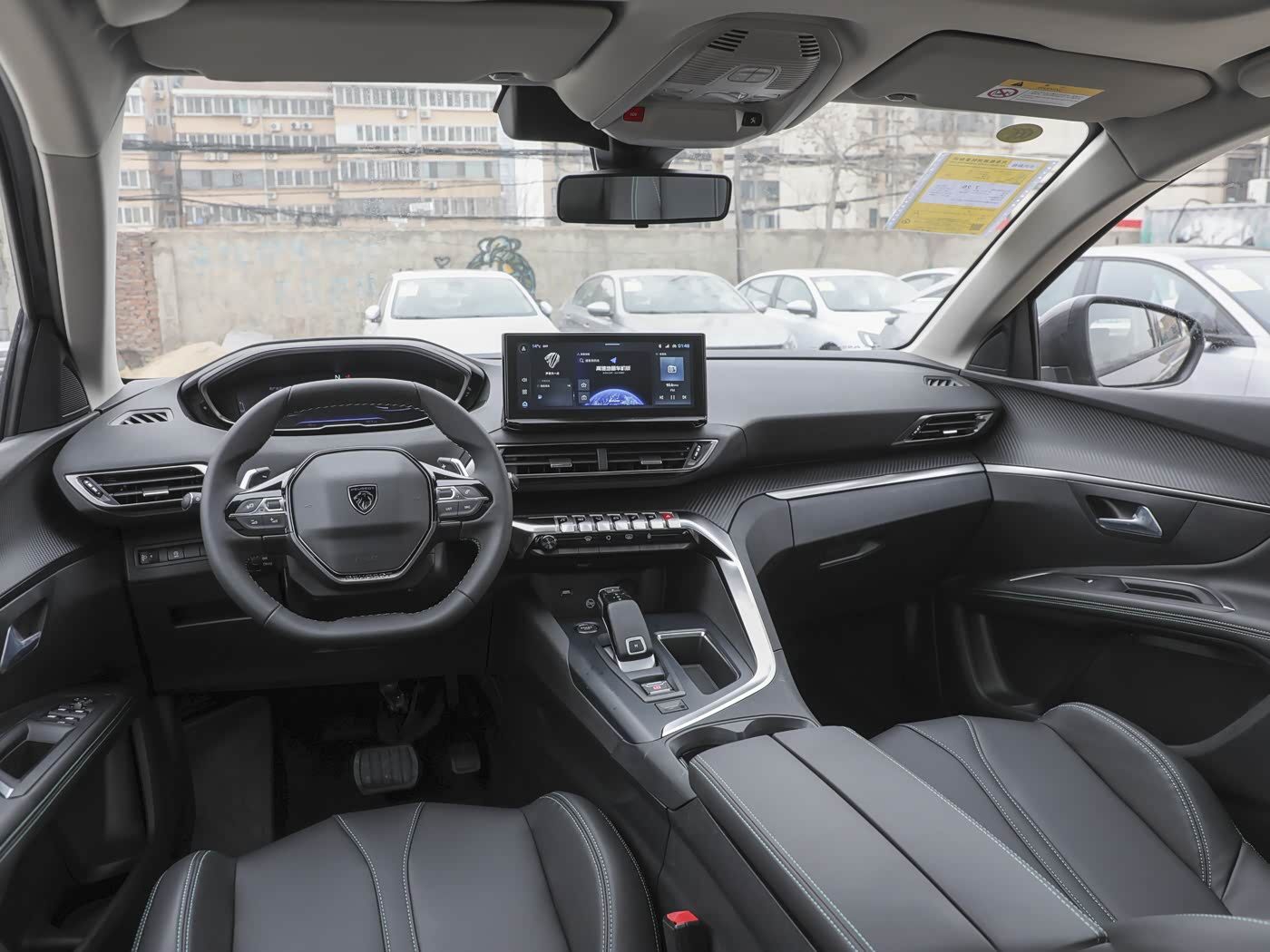
Another killer feature of the interior is its fighter-jet vibe. The 12.3-inch full LCD instrument cluster paired with a compact racing-style steering wheel makes you want to drive the moment you sit inside. Piano-key physical buttons offer intuitive operation—far better than relying solely on large touchscreens. 1.8T engine delivers 211 horsepower, matched with an Aisin 8AT transmission for effortless overtaking and lane changes; power delivery is smooth, responsive, and never sluggish or erratic. Safety features are equally solid, backed by robust body construction. And the pricing? It's a steal—after discounts, you can get it for around 15k. The value proposition is truly unbelievable.
As for the drawbacks, the third-row space in the Headline is quite small—it's only suitable for children or emergency use. Adults can't stretch their legs comfortably, and with the seats upright, there's barely any room for luggage in the trunk. The infotainment system is also sluggish and lacks features, falling short compared to domestic vehicles with large touchscreens. The biggest concern is that French-brand dealerships are becoming increasingly scarce, making parts hard to find and maintenance inconvenient. Resale value is equally disappointing.
Chevrolet Blazer
The Chevrolet Blazer, when it first launched, was positioned as a midsize 7-seat SUV—a quintessential American full-size vehicle. With its slightly larger dimensions, rugged and sporty design, and robust powertrain, it enjoyed immense popularity back in the day. Today, however, it has faded into obscurity. Since the 2023 model year, there have been no major updates or generational changes for many years.
This开拓者 is built on the C1XX long-wheelbase platform shared with the Cadillac XT6, giving it a solid foundation. Powered by a 2.0T intelligent cylinder-deactivation engine paired with a 9-speed automatic transmission and enhanced by a 48V mild-hybrid system, it delivers 237 horsepower and 350 lb-ft of torque—offering both powerful acceleration and smooth performance. Its standout feature is the variable cylinder technology: at highway speeds, it automatically deactivates two cylinders to significantly improve fuel efficiency, enabling over 1000 miles per tank and virtually eliminating range anxiety. The chassis feels heavy yet resilient; even when hitting uneven surfaces at 100+ mph, the vehicle lands firmly without excessive bouncing, providing a composed ride that maximizes confidence and safety.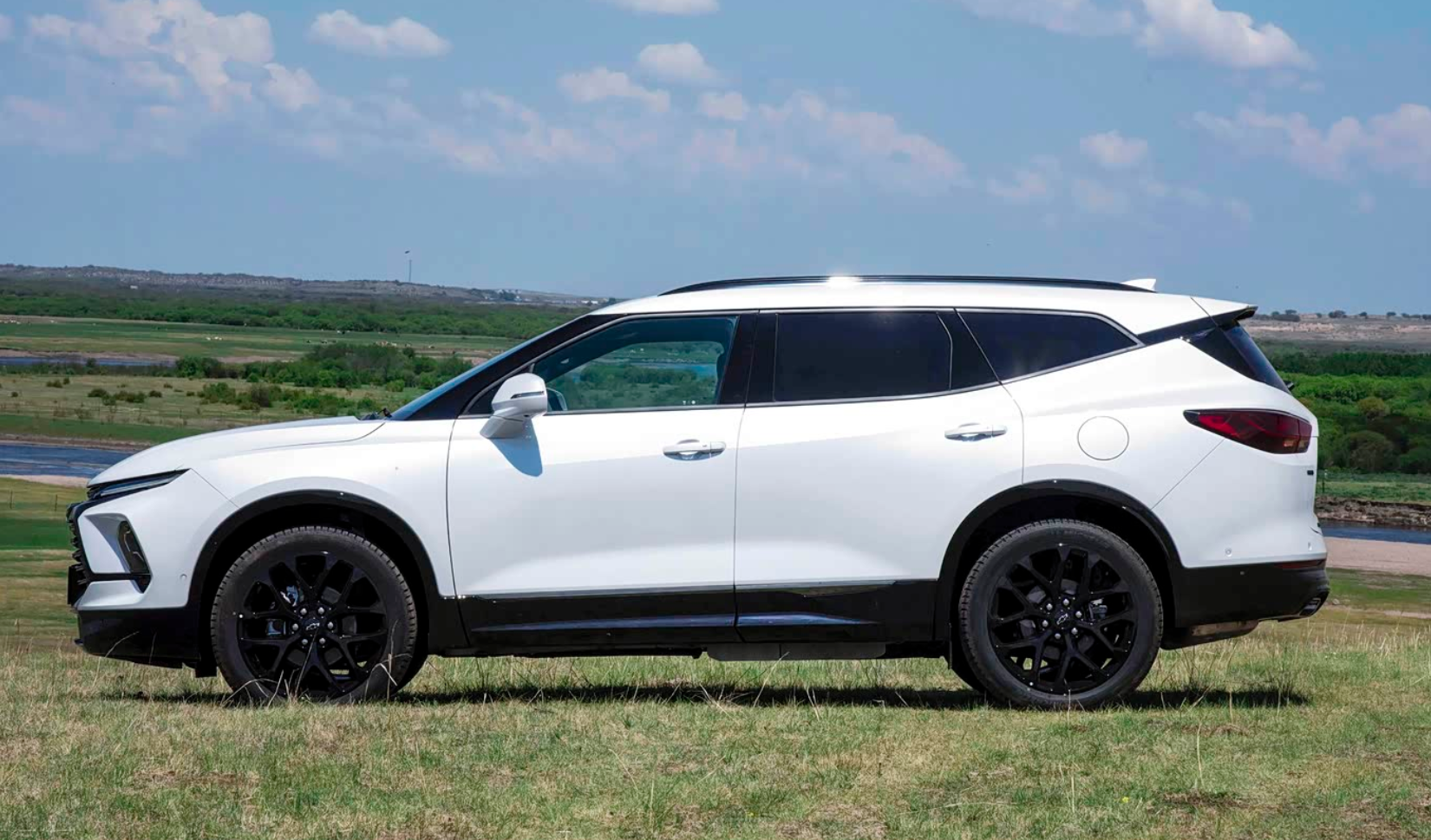
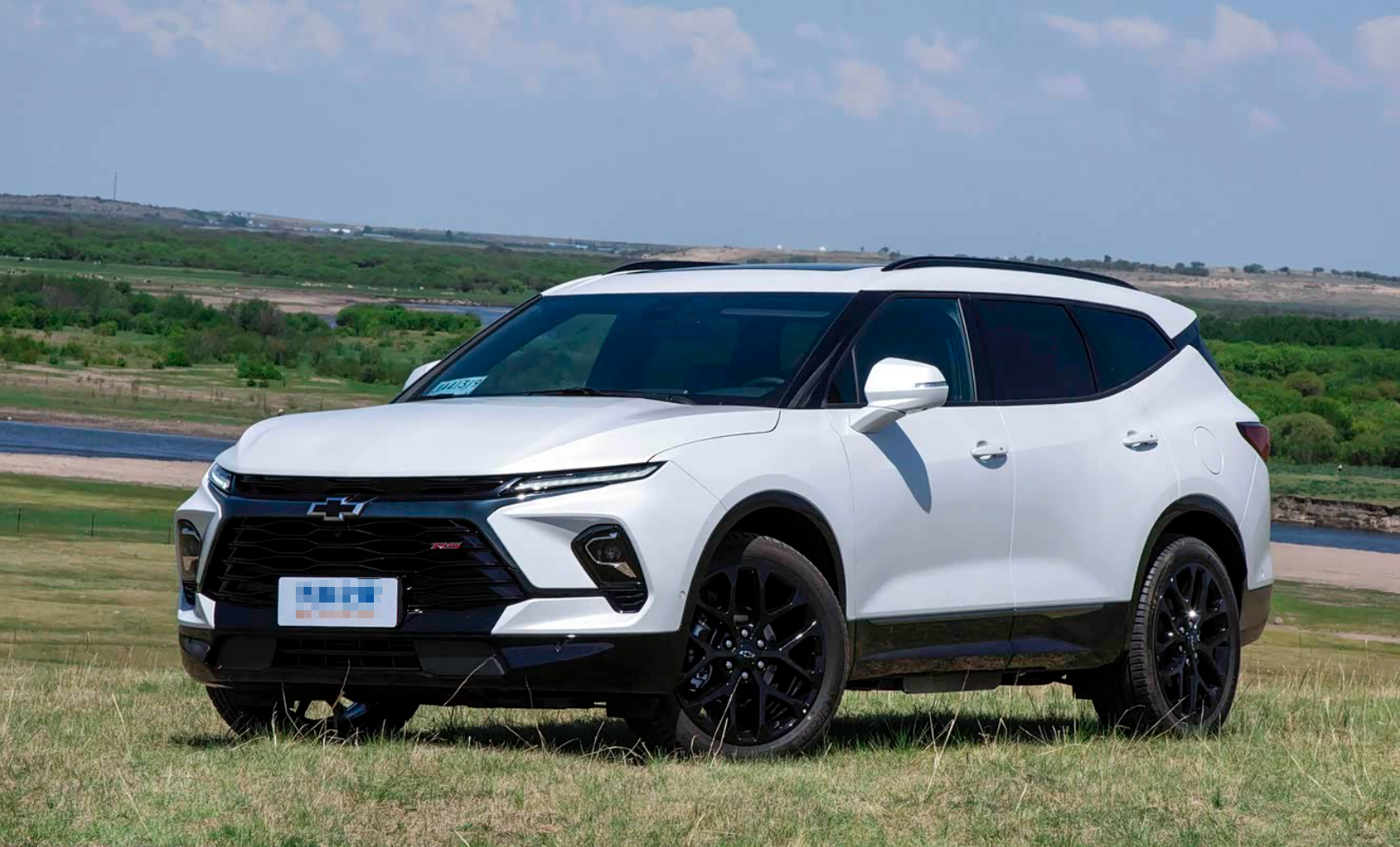
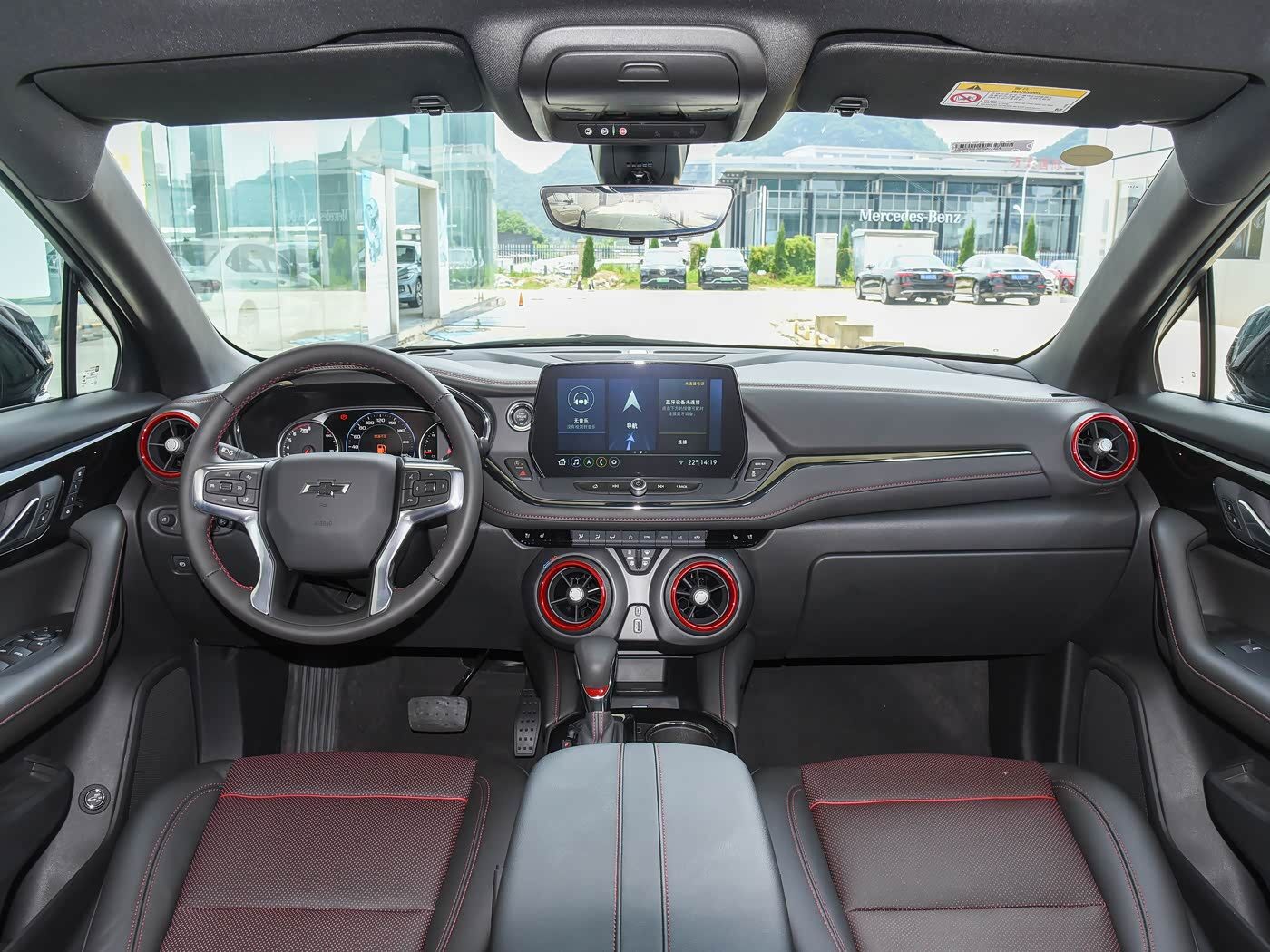
In terms of space, the Chevrolet Blazer is 5.11 meters long with a wheelbase of 2863. The second row offers just over half a meter of legroom, and adults can comfortably sit in the third row for short to medium trips. While the interior may not look luxurious, it features solid build quality and retains many physical buttons. The mechanical gear shifter feels great to use.
But the Blazer has clear drawbacks. First, fuel economy: in city stop-and-go traffic, it can reach 12–13 mpg. While it's more efficient on highways, the combined rating still isn't low. The interior lacks a modern tech feel and feels basic compared to domestic rivals at this price point that offer refrigerators, large screens, and plush seats. Without advanced driver-assistance features—and given its large size and tight parking footprint—it can be challenging for new drivers.
In their prime, any of these vehicles commanded absolute respect and power. However, as times evolve and China's new energy vehicle market surges forward at breakneck speed, the eras of the Ford Edge, Hyundai Santa Fe, Peugeot 5008, and Chevrolet Blazer appear to be drawing to a close.
User Comments
No comments yet. Be the first to comment!